Build-to-Rent Boom Shakes Up DC’s Renter vs Buyer Affordability Equation
As more tenants consider new build-to-rent communities in Washington DC, the traditional calculus between renting and buying is changing fast.
As more tenants consider new build-to-rent communities in Washington DC, the traditional calculus between renting and buying is changing fast.
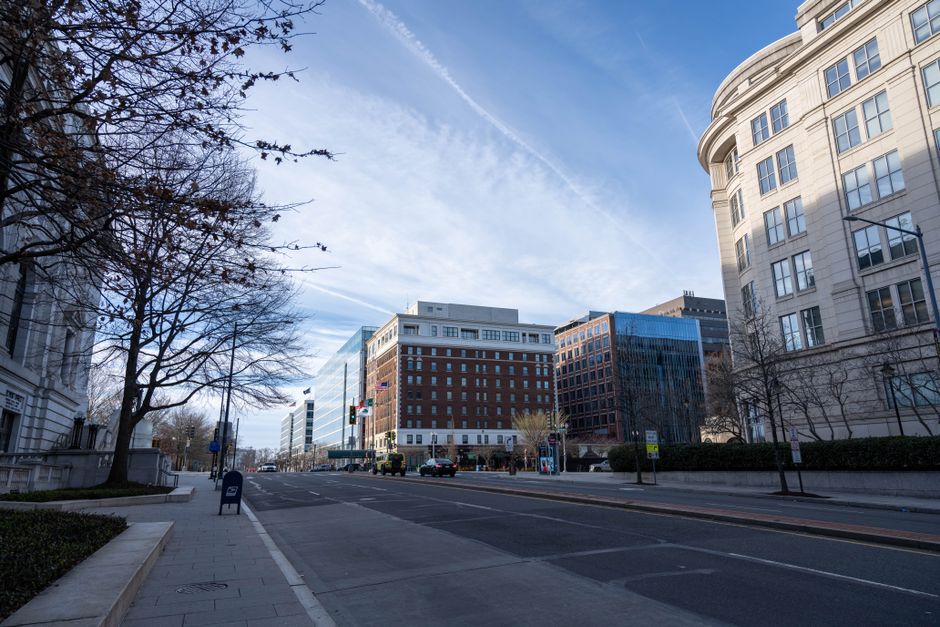
On the corner of New Jersey Avenue SE, just steps from Nationals Park, a new breed of apartment complex is opening its doors—not for future condo owners, but for permanent renters. Build-to-rent developments like The Collier, which welcomed its first residents this spring, are multiplying across Washington DC, offering a controversial middle ground between renting and homeownership at a moment when affordability is out of reach for many Washingtonians.
The push toward build-to-rent comes as the region faces relentless pressure from high mortgage rates and record home prices. The median sale price in DC now stands at $700,000, according to June data from Bright MLS. Aspiring buyers are being squeezed out, while the summer’s record-breaking heatwave has kept many residents indoors—reminding city dwellers of the premium placed on high-quality, well-amenitized housing. Developers are betting that professionally managed rental communities, with pools, co-working lounges and dog runs, will appeal not just to young professionals but also to downsizing Baby Boomers and work-from-home families unwilling—or unable—to stomach today’s ownership costs.
The build-to-rent model is not an apartment building in the classic DC sense. It typically refers to entire communities—sometimes even rows of townhouses—built and held by a single owner to rent out long-term with on-site management, predictable leases and robust amenities. In the rapidly developing H Street corridor, The Fountain, managed by Greystar, has filled nearly 80% of its 482 units since opening last year. The Collier in Navy Yard, meanwhile, advertises rooftop grills, package lockers, a 24-hour fitness center and private yoga studios, pitching itself as a hassle-free alternative to condo associations.
“We’re seeing a wave of demand from tenants who want more space and stability, but aren’t interested—or simply can’t afford—to buy,” said a local property manager familiar with several projects. These developments, with predictable rent structures and perks such as in-house maintenance, contrast sharply with smaller, older rental buildings that often leave tenants to chase absentee landlords.
Affordability, though, is relative. At The Collier, one-bedrooms now start at $2,750/month and two-bedroom townhomes in newly finished build-to-rent projects in Brookland fetch over $3,900/month. By comparison, DC’s citywide median rent for a two-bedroom was $2,400 in May per Zumper. The higher rents are justified by developers with the promise of new appliances, high energy efficiency and amenity packages, but they put these units beyond reach for households earning below $110,000 per year—which excludes almost half of the city, according to calculations from the DC Policy Center published in April.
For those able to pay, advocates say these new communities can offer peace of mind and long-term flexibility. Unlike the risk of eviction when a traditional landlord sells a home, build-to-rent residents are sheltered from sudden ownership changes. Many also cater to remote workers and families with flexible lease terms and pet-friendly policies, a selling point for city dwellers facing another summer inside with temperatures topping 95 degrees. Yet the reliance on high-income tenants is clear—the projects rarely meet affordable housing requirements, as DC’s Inclusionary Zoning rules typically don’t apply to these large, market-rate communities.
Looking ahead, the build-to-rent surge is expected to intensify. Projects are in the pipeline for Fort Totten and Capitol Riverfront, with at least 1,800 additional build-to-rent units forecast to deliver by the end of 2027, according to Savills. If mortgage rates continue hovering around 6.75%, some renters may see these communities as their only practical pathway to modern housing in central DC—especially as homeownership remains a distant dream for many. Prospective renters weighing their options should check whether buildings qualify for DC’s Rent Stabilization Program, and look closely at lease incentives, as developers sprint to fill new units coming online at the peak of summer competition.
How does this story make you feel?
Spread the word
About this article
Published by The Daily Washington DC
Daily brief
Free, in your inbox before 7am. Weekdays.
More in Property