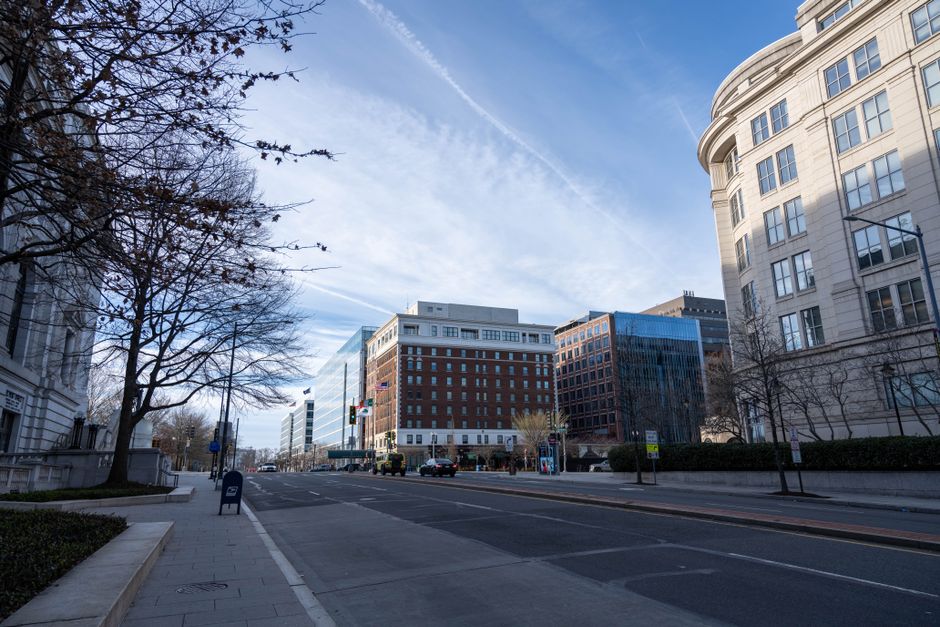
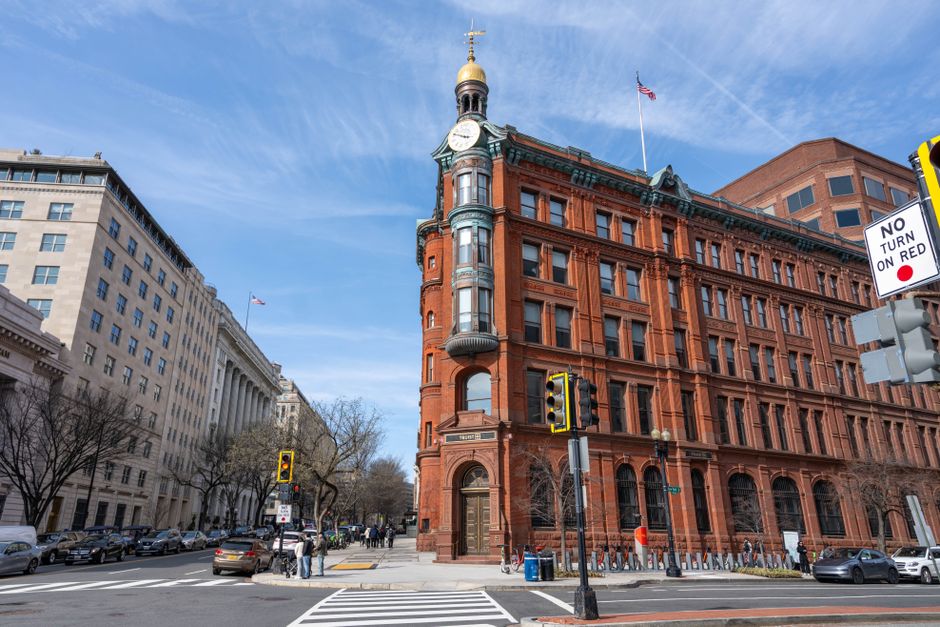
Washington’s surging home prices have prompted a new class of would-be buyers to take the road less traveled: rent-vesting. Across Northeast’s H Street corridor, and as far as rapidly developing Navy Yard, more professionals are renting their primary residences while purchasing investment properties in neighborhoods—and even in outlying suburbs—where they can buy without over-extending themselves.
The shift comes at a time when the median sale price of a D.C. home has jumped to $700,000, according to the Greater Capital Area Association of Realtors. Wages haven’t kept pace, and with mortgage rates hovering near 6.8 percent for a 30-year fixed loan, a traditional path to homeownership in central parts of the District is out of reach for many. At the same time, rents in core neighborhoods have stabilized, making the rent-vesting strategy more attractive for upwardly mobile workers who want to stay close to the city’s amenities while growing equity elsewhere.
Why Rent-Vesting Now?
For thirty-somethings holding jobs at Union Market’s booming tech hub or in the policy corridors along K Street NW, the realities are hard to ignore. Take Capitol Hill: rowhouses near Stanton Park routinely list for more than $1.2 million. In contrast, rental rates for a well-kept two-bedroom along Massachusetts Avenue NE fall just under $3,100 per month — still high, but without a million-dollar down payment.
Rather than stretching their finances, some DC residents are buying condos in neighborhoods like Brookland or even in Silver Spring, Maryland, where average purchase prices hover closer to $500,000. "I'm building equity out in Prince George’s County, but I’m renting near Shaw so I don’t spend half my life commuting," said one local nonprofit manager, summarizing a strategy that’s becoming more common. Property management firms such as Nomadic Real Estate report a 15% uptick year-over-year in clients buying investment units outside their primary neighborhood or even outside the city limits while continuing to rent in walkable, transit-rich areas downtown.
Crunching the Numbers
At current mortgage rates, buying a $700,000 home with a 10% down payment means monthly payments (including taxes and insurance) easily top $4,700, according to data from the DC Policy Center. Rents, meanwhile, have softened in central city neighborhoods: median downtown rent for a one-bedroom sits around $2,450 per month as of June 2026, per Zillow. The gap is even wider for two- or three-bedroom owner-occupied homes near Dupont Circle or East Capitol Street, which can exceed $6,000 a month.
By purchasing a rental property in a neighborhood where prices are more reasonable—think Deanwood, where the median sale price remains below $400,000, or bordering Fairfax County—rent-vestors hope long-term appreciation and rental income will ultimately fund a future purchase in a dream neighborhood. Multifamily ownership programs offered by the D.C. Housing Finance Agency add another incentive, letting buyers of small buildings offset payments with rental income. The city’s Home Purchase Assistance Program (HPAP), which offers up to $202,000 for down payments, has seen an uptick in applicants opting for investment-first purchases, according to city agency data.
What’s Next for Rent-Vestors?
The rent-vesting strategy isn’t without risks: landlord responsibilities, market fluctuations, and the prospect of being outbid by cash buyers are all in the mix. But for those willing to buy beyond Logan Circle or Columbia Heights, the potential upside—from appreciation to tax advantages—looks set to keep driving this trend. Experts are watching to see how rising property taxes in Montgomery County and stricter tenancy regulations might shift the balance in coming months.
For DC residents weighing the numbers this summer, the formula is changing. A purchase doesn’t have to mean sacrificing location, or lifestyle: for an increasing number of young professionals and families, building wealth while renting where they live is the new path to claiming a stake in the city—on terms they can actually afford.