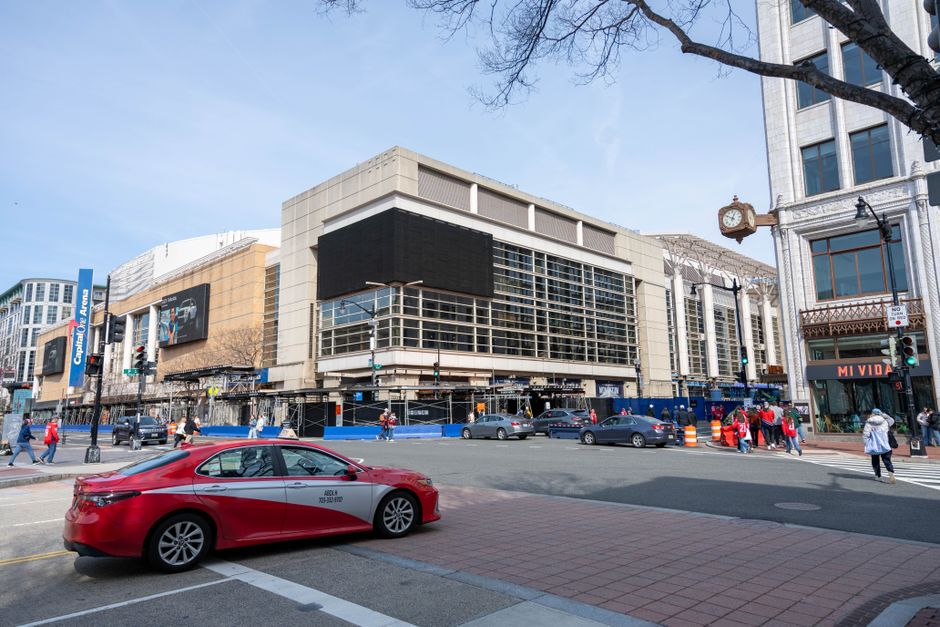
The Washington Capitals' announcement of a sweeping renovation project at Capital One Arena marks a pivotal moment for the storied franchise and the District's sports landscape. The $150 million investment, unveiled earlier this month, signals management's commitment to competing at the highest level while modernizing one of the NHL's most recognizable venues in the heart of Chinatown.
Located at 601 F Street NW, Capital One Arena has been home to the Capitals since 1997, serving as witness to the franchise's greatest triumphs, including the 2018 Stanley Cup championship. Yet after nearly three decades, the 20,000-seat facility requires substantial upgrades to remain competitive with newer arenas across the league.
The renovation project addresses multiple fronts. Club officials have green-lit improvements to premium seating areas, with plans to add approximately 400 new club seats priced between $3,500 and $8,000 per season. The concourse infrastructure—historically cramped during playoff runs—will be expanded by roughly 15 percent, addressing longtime complaints from fans navigating crowded corridors during high-stakes games.
Perhaps most significantly, the Capitals are investing heavily in modern amenities that appeal to younger demographics. A state-of-the-art video board, enhanced Wi-Fi infrastructure, and upgraded mobile ordering systems for concessions reflect changing fan expectations in 2026.
For the Capitals organization, the timing carries strategic weight. The team faces a critical juncture with aging core players, and management views the arena improvements as essential infrastructure for recruiting and retaining marquee talent. In the cutthroat world of professional hockey, venues matter enormously—free agents increasingly factor stadium quality and fan experience into their decision-making.
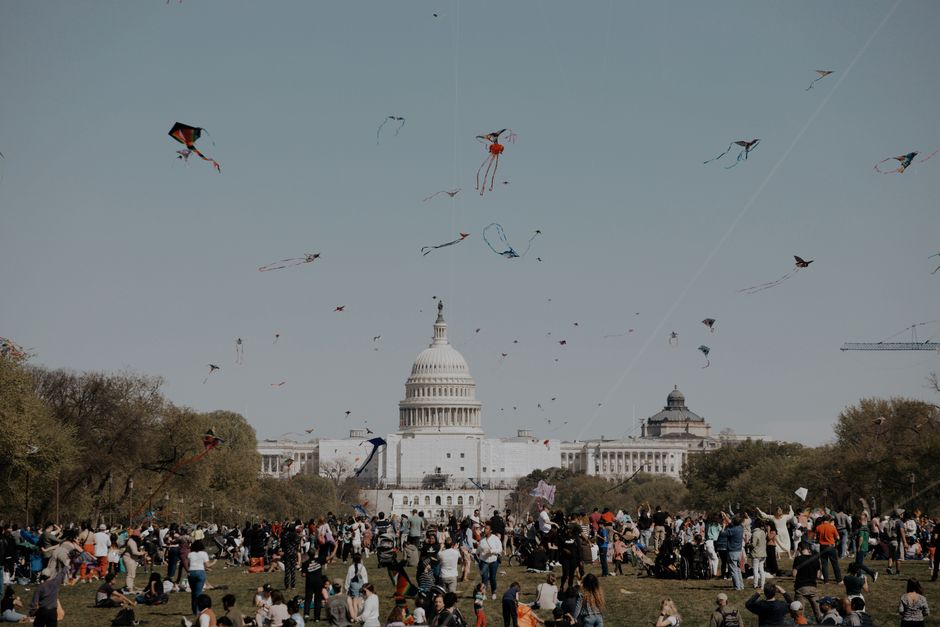
The renovation also underscores Capital One Arena's importance to Washington's broader sports identity. The venue hosts not only the Capitals but also the Georgetown Hoyas basketball program for select games, making it a pillar of the city's athletic ecosystem alongside Nationals Park in Navy Yard and Commanders Field in Landover.
Local hospitality and retail businesses around Chinatown view the project optimistically. The neighborhood has experienced significant revitalization over the past decade, and the arena's continued prominence as a modern venue promises sustained foot traffic and economic activity.
Construction is expected to proceed in phases, with the club prioritizing completion of premium seating areas before the 2026-27 season opener. Disruptions to regular-season operations will be minimal, though some preseason games may be relocated.
As Washington sports fans await the first results of this ambitious investment, one message rings clear: the Capitals are all-in on competing for another championship while ensuring Capital One Arena remains one of the NHL's premier destinations.
This article was compiled by AI from the sources linked above and screened before publishing. See our editorial standards.