On any given Saturday morning, the parking lot at Thompson Boat Center fills with cyclists adjusting their gear, while nearby on the Rock Creek Park trails, runners cluster in clusters of neon vests preparing for their weekly long runs. These scenes have become as much a fixture of DC's landscape as the monuments themselves—evidence of an endurance sports renaissance that's reshaping how the capital's communities connect.
The numbers tell a compelling story. Local running clubs have seen membership grow by an estimated 40 percent over the past three years, with organizations like the DC Road Runners and Pacers Running Stores' affiliated groups now boasting combined membership exceeding 8,000 active participants. Cycling clubs in neighborhoods from Capitol Hill to Columbia Heights report similar trajectories, while triathlon participation in the DC area has climbed steadily, driven by increased accessibility to beginner programs and the popularity of shorter-distance events.
What's driving this surge isn't merely fitness trends—it's the community infrastructure that local clubs have cultivated. Organizations operating across the district's most active corridors, from the Cherry Hill area to Anacostia River Park, have transformed exercise into genuine social fabric. Entry fees remain deliberately modest, typically ranging from $25 to $75 annually for memberships, keeping participation accessible across income levels.
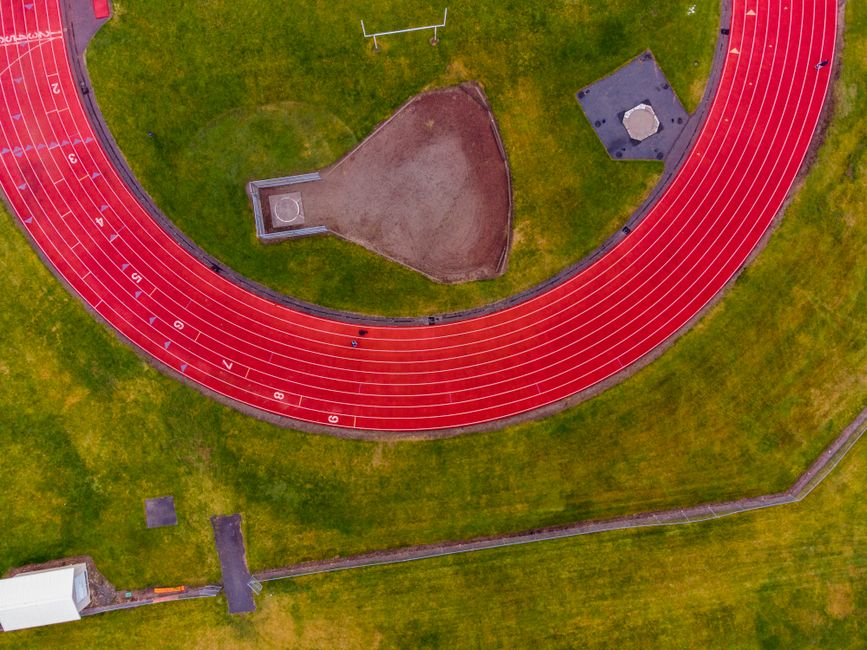
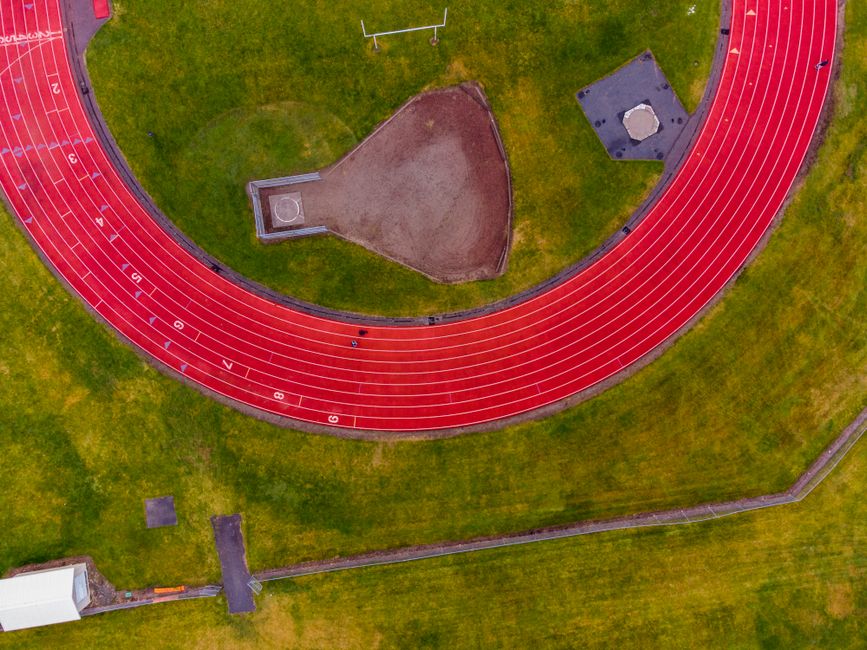
The diversity of offerings has widened the tent considerably. Speed-focused track clubs coexist with recreational walking groups. Beginner triathlon programs demystify multi-sport training at facilities like the University of the District of Columbia Aquatic Center and Fort Dupont Ice Hockey Stadium's running track. Weekend group rides departing from Bethesda's various cycling shops pull participants from as far as Annapolis and Richmond.
Beyond the athletic achievement, these clubs have become anchors for neighborhood identity. Groups regularly organize community service events—cleaning trails in Rock Creek, supporting local food banks through charity runs, and mentoring youth athletes. The social component has proven particularly vital as DC continues to experience rapid demographic shifts. For many participants, their running club or cycling group represents one of their most consistent weekly social commitments.
Local fitness retailers have reinforced this momentum, dedicating significant resources to club programming and sponsorship. This reciprocal relationship—clubs driving business to shops, shops investing back into club infrastructure—has created sustainable growth.
As summer approaches and daylight extends deeper into evening hours, expect to see these gatherings expand further. The endurance sports movement in Washington isn't simply about personal achievement anymore. It's become a powerful mechanism for community building in a city that increasingly needs more reasons to gather, move together, and belong.
This article was compiled by AI from the sources linked above and screened before publishing. See our editorial standards.