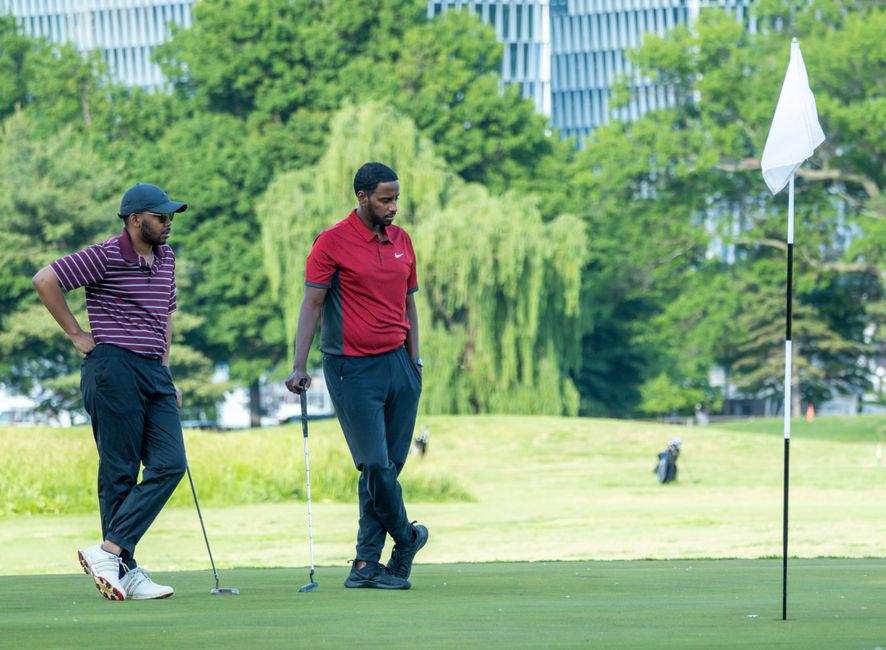
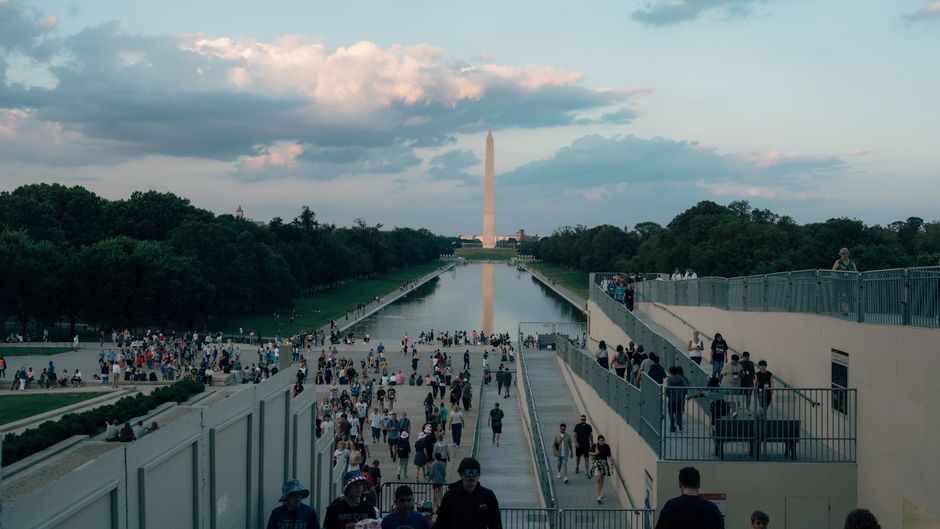
Washington DC's sporting landscape extends far beyond the marble monuments and flagship franchises. While Nationals Park dominates the waterfront and Capital One Arena anchors downtown, a quieter revolution is unfolding in neighborhood gyms, community centers, and repurposed warehouse spaces across the District—one where local athletic clubs are forging genuine community connections that rival any professional venue experience.
The shift reflects a broader national trend toward localized, participatory sports culture. In neighborhoods from H Street to Columbia Heights, from Anacostia to Petworth, independent soccer leagues, rugby clubs, and rowing organizations are experiencing unprecedented growth. The DC LGBT Aquatics team, based at various pools including facilities near the Dupont Circle area, has grown from 40 members in 2015 to over 200 today. Meanwhile, the Anacostia River Rowing Club, operating from boathouses along the Anacostia waterfront, has become a vital anchor for youth development in Southeast DC, serving more than 150 young athletes annually from neighborhoods where recreational opportunities remain limited.
The economics tell a compelling story. While premium seating at Capital One Arena can exceed $150 per ticket, membership in local clubs typically ranges from $25 to $75 monthly—a democratic accessibility that professional sports rarely match. The DC United Soccer Club, with chapters across multiple neighborhood parks from Rock Creek to the Kingman Island Athletic Complex, counted 12,000 registered youth players last season, nearly double the figure from 2019.
What distinguishes these organizations is their structural integration into neighborhood life. The Foggy Bottom Sailing Club partners with local schools to introduce maritime sports to students who might never otherwise access such opportunities. The Petworth Running Club meets three times weekly on neighborhood streets, transforming exercise into social ritual. These aren't merely recreational outlets—they're institutions where childcare workers, lawyers, construction crews, and government employees literally run the same routes together.
City investment has accelerated this momentum. The Department of Parks and Recreation invested $8.2 million in stadium upgrades and athletic facility improvements across 14 neighborhoods in the past fiscal year alone. New lighting at Oxon Hill Regional Park, resurfaced courts in Ward 5, and renovated boathouses along the Anacostia have created infrastructure that sustains year-round programming.
The pandemic accelerated community sports' institutional value. When traditional venues operated at reduced capacity, neighborhood clubs filled the void with organized outdoor activities. That infrastructure remained even as restrictions lifted, suggesting a permanent shift in how Washington's residents view their relationship with athletic participation.
In a city often defined by transience and professional ambition, these grassroots organizations offer something increasingly rare: the chance to belong to something fundamentally local, entirely democratic, and genuinely communal.
This article was compiled by AI and screened before publishing. See our editorial standards.