Walk along the Anacostia Riverwalk on any Tuesday evening and you'll encounter a familiar scene: pickup basketball games spilling across courts, recreational cyclists preparing for group rides, and youth soccer teams warming up under the summer heat. What was once a scattered ecosystem of neighborhood sports has transformed into something far more structured and expansive, according to new participation data that paints a revealing portrait of D.C.'s fitness culture.
The District's Department of Parks and Recreation reported a 34 percent increase in amateur league registrations over the past three years, with approximately 47,000 residents currently participating in organized recreational sports. The numbers are particularly striking in neighborhoods traditionally underrepresented in organized athletics: participation rates in Ward 7 have more than doubled since 2023, while Southeast D.C. has seen sustained growth in youth and adult basketball leagues centered around facilities near the Parklands neighborhood.
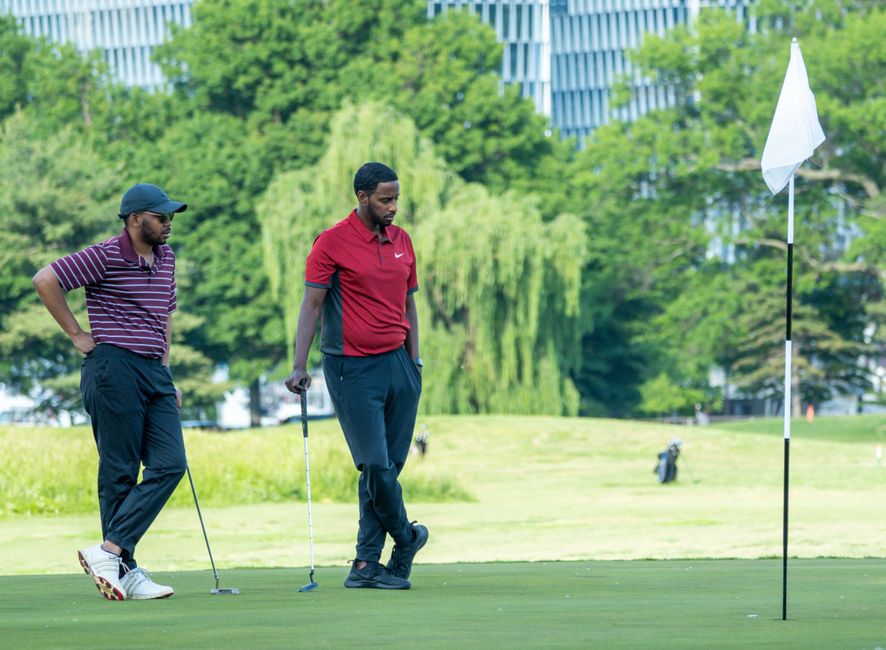
Coed softball leagues operating across the District's public fields—including the extensive facilities near the Palisades neighborhood and throughout Rock Creek Park—now boast waiting lists. The D.C. Kickball League, operating primarily on fields in NoMa and H Street corridors, has grown from 12 teams five years ago to 87 teams today. Weekend morning runs organized through neighborhood groups have proliferated, with the Georgetown Running Club and Capitol Hill Sport and Social attracting hundreds weekly.
What makes this surge significant isn't simply the raw numbers. The data reveals something more consequential about how residents are choosing to spend time and money. Average membership costs range from $150 to $400 per season for adult leagues, yet demand consistently outpaces supply. Youth participation has climbed steadily, with the city's recreation centers reporting that 68 percent of registered members live within walking distance of their facilities.
The shift reflects broader trends seen in other major urban centers: Americans are prioritizing experience-based activities and community engagement over consumption, particularly in post-pandemic life. For Washington, a city with persistent health disparities across neighborhoods, the democratization of recreational sports participation carries measurable weight. A 2024 survey found that 52 percent of current league participants reported increased physical activity and improved mental health outcomes since joining.
More practically, the participation surge has created economic ripples. Local sporting goods retailers on U Street and in the Ballpark District report increased sales in seasonal equipment. Coffee shops and restaurants near popular league venues have become de facto gathering spots for players before and after games.
The real test lies ahead: whether D.C. can sustain this momentum through winter months and whether the city's infrastructure can accommodate the continued growth without straining existing public facilities.
This article was compiled by AI and screened before publishing. See our editorial standards.