From Empty Fields to Community Pride: The Grassroots Revolution Behind DC's Amateur Sports Movement
Volunteer-run leagues across Washington are transforming neighbourhoods by giving residents—regardless of skill or background—a place to belong.
Volunteer-run leagues across Washington are transforming neighbourhoods by giving residents—regardless of skill or background—a place to belong.
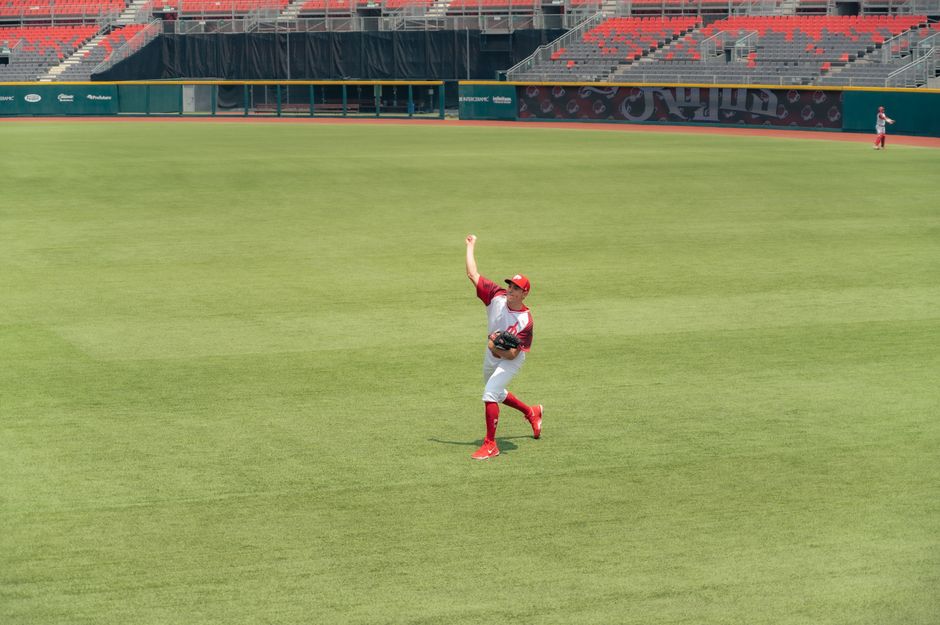
On any given Tuesday evening in Anacostia, the fields behind Martin Luther King Jr. Library hum with activity. Soccer balls ricochet off worn grass. Runners lap the cracked track. A casual observer might mistake it for an official municipal programme, but the reality is far more organic: this is the Anacostia Community Athletic League, sustained almost entirely by volunteers who clock their hours after work and on weekends.
Across Washington DC, this grassroots phenomenon is reshaping how residents engage with sport. Unlike the polished infrastructure of elite academies or university programmes, amateur recreational leagues operate on shoestring budgets, donated equipment, and extraordinary commitment. The DC Amateur Sports Coalition estimates there are now over 180 active neighbourhood clubs—up from 47 in 2015—serving approximately 12,000 regular participants.
"We're not trying to produce professional athletes," explains Marcus Webb, who coordinates fixture scheduling for the Capitol Hill Running Club, which meets Thursdays near Eastern Market. "We're creating spaces where a nurse, a teacher, a student, someone between jobs—they all show up and become teammates." The club, operating since 2018 with zero paid staff, has grown to 340 members.
The economics tell part of the story. Annual membership fees typically range from $60 to $150 per person—far below the $800-plus charged by private coaching programmes. League commissioners work from coffee shops and borrowed office space. Equipment often arrives through community donations or bulk purchases negotiated at discount retailers along the H Street NE corridor.
What drives this movement forward? Many point to the isolation that persists even in a densely populated city. Georgetown residents joined the Waterfront Tennis Collective not primarily for instruction, but for weekly ritual and connection. Similarly, the Ballpark Bocce Society, which began four years ago as six friends meeting near Nationals Park, now attracts 70-plus participants monthly who range from their twenties to their seventies.
Challenges remain real. Field access in neighbourhoods like Ward 8 remains limited. Insurance costs occasionally force organisers to pause operations. Yet momentum builds. The DC Parks Department now recognises informal leagues with permit waivers. Local breweries sponsor league tournaments. Schools increasingly welcome evening and weekend bookings from amateur groups.
This is sport stripped to its essence: the simple human need to move, to test oneself, and to belong. Washington's amateur league movement proves that you don't require corporate sponsorship or professional infrastructure to build something meaningful. Sometimes you just need a field, volunteers, and neighbours who show up.
This article was compiled by AI and screened before publishing. See our editorial standards.
How does this story make you feel?
Spread the word
About this article
Published by The Daily Washington DC
Daily brief
Free, in your inbox before 7am. Weekdays.
More in Sport