D.C. Builds New Soccer Facilities to Meet Surging Youth Demand
As youth and professional soccer demand surges in Washington, the District is investing heavily in pitches, training grounds, and venues to keep pace with the sport's explosive growth.
As youth and professional soccer demand surges in Washington, the District is investing heavily in pitches, training grounds, and venues to keep pace with the sport's explosive growth.
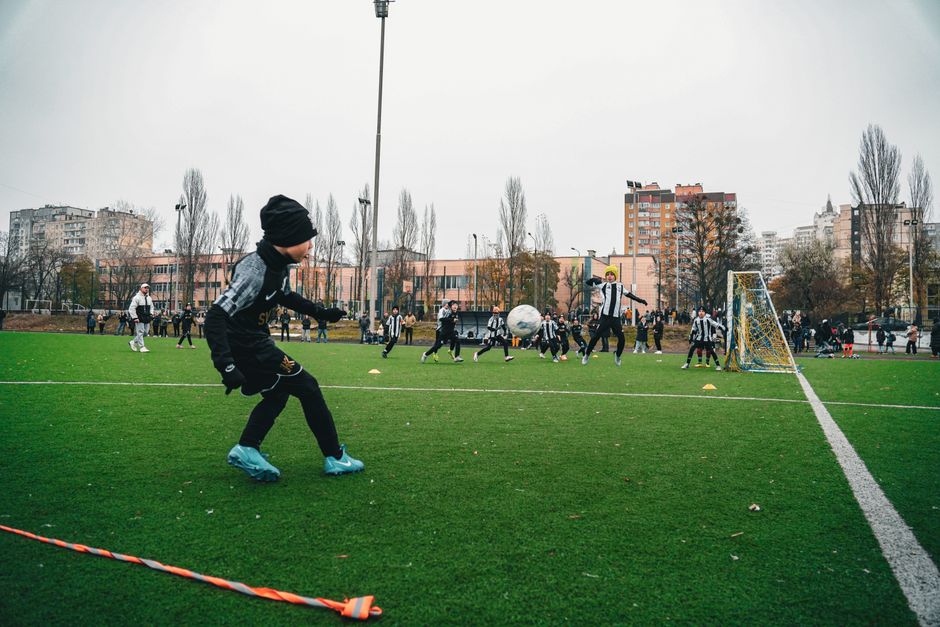
Washington D.C.'s soccer landscape has undergone a quiet revolution over the past three years, with significant infrastructure investments reshaping how the sport is played and experienced across the District. From the Anacostia River neighborhoods to the leafy suburbs of Cleveland Park, new and renovated facilities are addressing a long-standing gap in the city's sporting infrastructure.
The most visible transformation has occurred along the Anacostia Waterfront, where the District completed renovations on three synthetic pitch complexes in 2025. The Poplar Point multipurpose facility now hosts eight full-sized fields, doubling the available capacity from the previous era. At roughly $85 per hour for field rental during peak times—competitive with regional standards—the venue has become a weekend destination for club teams from Maryland and Virginia.
Youth participation tells the story. D.C. United's youth academy programs have expanded to serve nearly 2,400 young players annually, up 34 percent since 2023. Much of this growth has been enabled by partnership agreements with public schools in Ward 6 and Ward 7, unlocking underutilized athletic infrastructure during evening hours. The Shaw neighborhood, historically underserved for organized soccer, now hosts three weeknight training groups through the city's Parks and Recreation Department.
But professional infrastructure tells a different narrative. Audi Field in Navy Yard-Ballpark, home to D.C. United, remains the District's only purpose-built MLS stadium. Completed in 2018 with a 20,000-seat capacity, the venue generates $12-15 million annually in economic activity through match days and hospitality events. Yet capacity constraints during playoff matches have sparked ongoing discussions about expansion—a conversation gaining momentum as the team's competitive window tightens.
The broader challenge facing the District involves distributed investment. Unlike concentrated sports complexes found in other major metropolitan areas, Washington's soccer infrastructure remains fragmented across neighborhood parks, school grounds, and private clubs. The D.C. Department of Parks and Recreation currently manages 47 dedicated soccer fields across public land, a figure city officials acknowledge falls short of demand projections through 2030.
Looking ahead, the District's proposed $220 million capital improvement plan for recreation facilities includes plans for two additional synthetic complexes—one in Northeast D.C. near the Deanwood neighborhood, another in Southeast near Fort Stanton Park. If approved, these would represent the most significant soccer infrastructure expansion in a decade. For a city competing nationally for youth tournaments and MLS investment, these investments signal serious intent.
The beautiful game is becoming harder to ignore in Washington—and the District's concrete investments prove it.
This article was compiled by AI and screened before publishing. See our editorial standards.
How does this story make you feel?
Spread the word
About this article
Published by The Daily Washington DC
Daily brief
Free, in your inbox before 7am. Weekdays.
More in Sport