DC Tech Leaders Launch AI and Climate Tech Push Through 2027
Inside the innovation strategies reshaping Washington DC's emergence as a serious contender in artificial intelligence and sustainable technology development.
Inside the innovation strategies reshaping Washington DC's emergence as a serious contender in artificial intelligence and sustainable technology development.
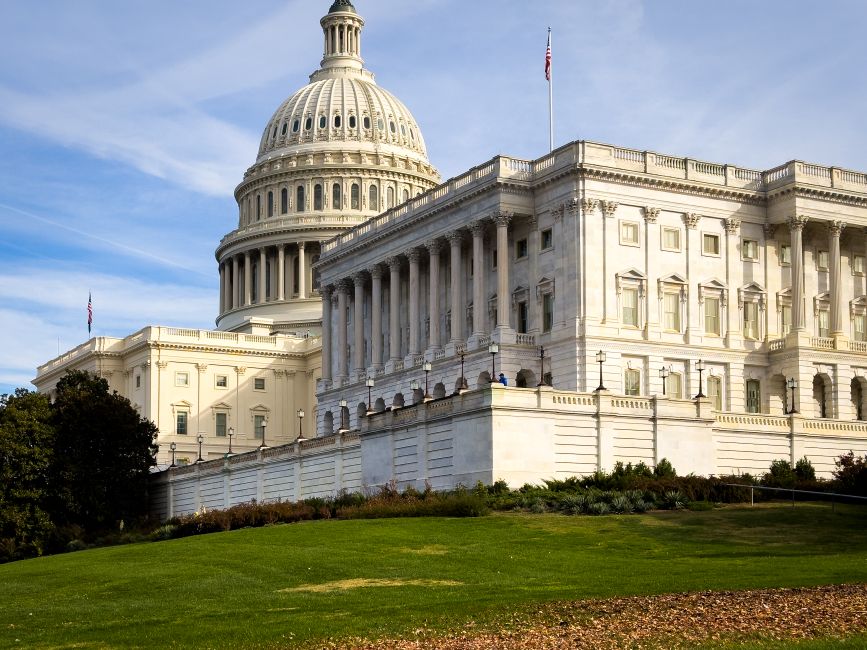
Washington DC's technology ecosystem is signaling a decisive pivot toward artificial intelligence and climate innovation over the next 18 months, with major players clustered around the Navy Yard-Ballpark corridor and Georgetown waterfront announcing substantial product roadmaps designed to position the capital as more than a government-facing tech hub.
The shift reflects broader market pressures. Unlike previous cycles dominated by federal contracting opportunities, today's DC-based tech firms are targeting global markets with consumer and enterprise products. Companies operating from converted warehouses along the H Street Corridor and newer office spaces near Union Market are investing heavily in foundational AI models tailored to healthcare, financial services, and environmental monitoring—sectors where Washington's existing institutional expertise provides competitive advantage.
One particularly notable development involves the expansion of climate-focused technology initiatives. The Georgetown Climate Innovation Center, housed near the waterfront, continues supporting roughly 45 active ventures working on decarbonization software and green infrastructure monitoring. Several are preparing commercial launches targeting municipal governments nationwide, a market segment DC's proximity to federal policy makers uniquely positions local entrepreneurs to understand.
Data patterns suggest accelerating investment. Venture capital flowing into DC-based startups reached $847 million in 2025, according to regional investment tracking, with AI-adjacent companies capturing roughly 38 percent of that capital. For 2026-2027, insiders point to anticipated product launches in autonomous systems for urban infrastructure monitoring, enterprise software for climate risk assessment, and specialized language models trained on biomedical and legal datasets.
The infrastructure supporting these developments has matured considerably. Workspace availability in emerging neighborhoods like Ivy City and the Woodridge area now includes purpose-built facilities designed for hardware prototyping and AI research. The DC Department of Energy and Environment has also begun pilot programs testing innovations from local companies, creating real-world validation opportunities unavailable in many competing metros.
Challenges remain. Talent acquisition remains competitive, with engineers commanding salaries typically 15-20 percent below San Francisco averages but substantially above Midwest alternatives. Additionally, regulatory uncertainty around AI development and data privacy continues to complicate product timelines for some ventures.
Still, the trajectory appears settled. DC's tech community is deliberately positioning itself not as a secondary innovation center, but as a specialized hub where policy expertise, institutional knowledge, and emerging technical capabilities converge. The next 18 months will test whether that strategy translates into sustainable competitive advantage in markets increasingly demanding both technological sophistication and regulatory fluency.
This article was compiled by AI and screened before publishing. See our editorial standards.
How does this story make you feel?
Spread the word
About this article
Published by The Daily Washington DC
Daily brief
Free, in your inbox before 7am. Weekdays.
More in tech