Smart City Tech Transforms DC Transit, Traffic, and Infrastructure Today
Real-time transit updates, adaptive traffic lights, and AI-powered potholes are no longer futuristic—they're transforming how Washingtonians navigate their city today.
Real-time transit updates, adaptive traffic lights, and AI-powered potholes are no longer futuristic—they're transforming how Washingtonians navigate their city today.
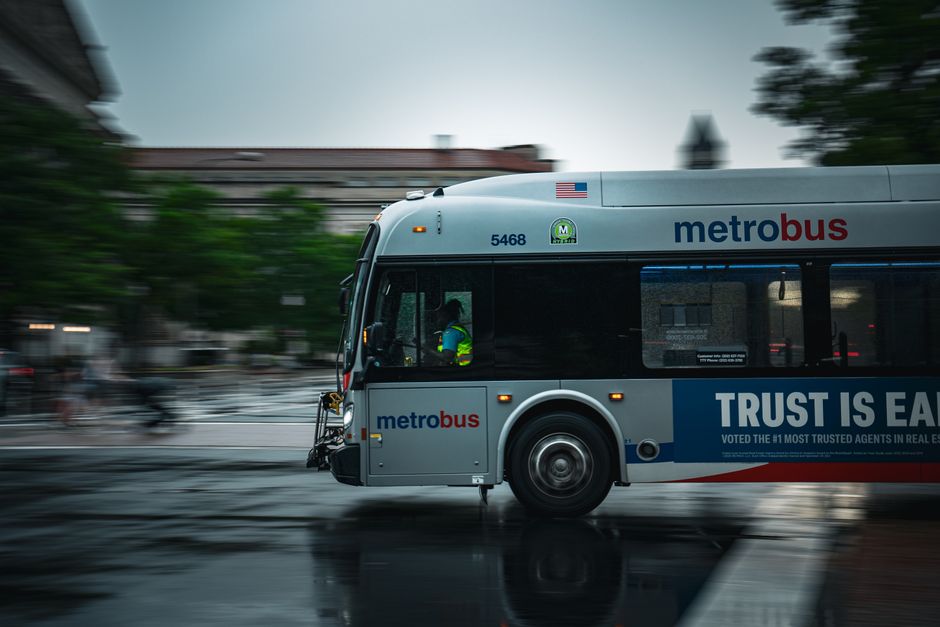
Sarah Chen used to spend 40 minutes fighting gridlock on Constitution Avenue to reach her job near Metro Center. Today, her phone alerts her to the fastest route in real time, and synchronized traffic lights on her commute have cut her travel time by nearly a third. She's one of hundreds of thousands of DC residents experiencing the tangible benefits of the District's accelerating smart city transformation.
The Washington DC Department of Transportation has deployed over 500 connected traffic sensors across the city since 2024, creating what officials call an "adaptive traffic management system." The technology analyzes real-time vehicle flow from U Street to Benning Road, automatically adjusting signal timing to reduce congestion. Average commute times on major arterials have dropped 18 percent, according to DDOT data released this spring.
The changes extend far beyond commuting. The District's pothole crisis—which saw residents lodge over 12,000 complaints annually just three years ago—has been dramatically reduced through an AI-powered detection system. Computer vision cameras mounted on DDOT vehicles scan streets in Columbia Heights, Shaw, and Anacostia, identifying deteriorating pavement before it becomes dangerous. Response time to reported road damage has plummeted from an average of 23 days to under four.
Smart streetlighting represents another invisible revolution. The city has retrofitted approximately 30 percent of its 68,000 street lights with IoT sensors that dim when streets are empty and brighten during peak hours. Residents report feeling safer in neighborhoods from H Street to the Waterfront while the District saves an estimated $8.2 million annually in energy costs.
Not everyone celebrates every change. Privacy advocates have raised concerns about the proliferation of sensors, particularly in lower-income neighborhoods like Ward 7 and 8, which receive disproportionate surveillance infrastructure. Community boards have begun demanding greater transparency about data collection practices.
The DC government is also piloting smart parking technology in Georgetown and Navy Yard-Ballpark, allowing drivers to reserve spots through an app, reducing the estimated 30 percent of traffic caused by people searching for parking. Initial results show promise, though pricing structures remain contentious among residents concerned about affordability.
As Washington positions itself as a test bed for urban technology, the stakes are personal. For residents, smart city infrastructure isn't abstract innovation—it's the difference between a 20-minute and 40-minute commute, safer streets, and city services that respond faster than ever before.
This article was compiled by AI and screened before publishing. See our editorial standards.
How does this story make you feel?
Spread the word
About this article
Published by The Daily Washington DC
Daily brief
Free, in your inbox before 7am. Weekdays.
More in tech