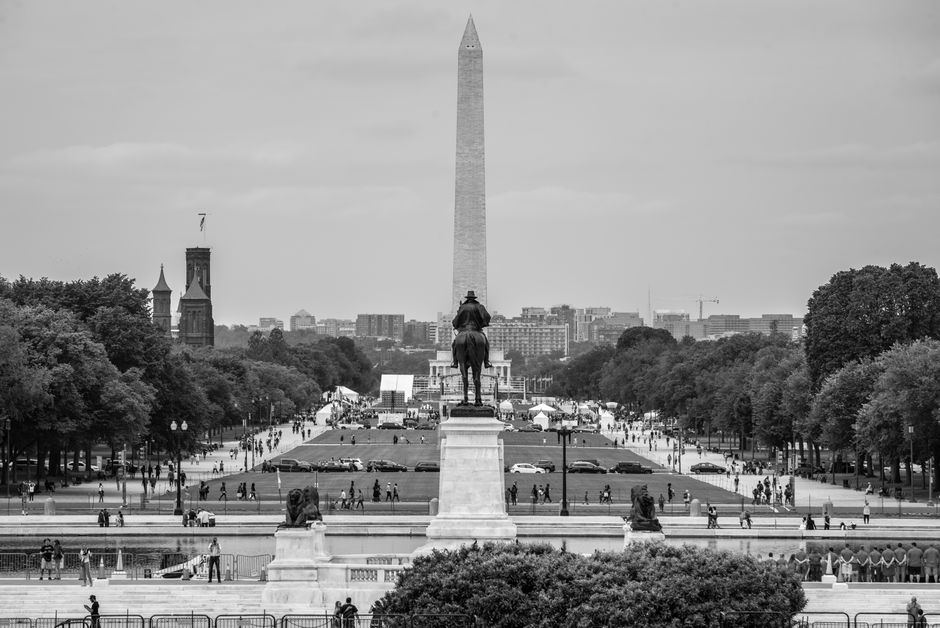
Washington DC's transformation into a global smart city leader isn't accidental. Unlike tech hubs that emerged from venture capital alone, the District has weaponized its singular position as the nation's capital to build something distinctly different: a government technology ecosystem that serves as both testbed and marketplace for civic innovation.
The numbers tell the story. DC's tech sector has grown 43 percent over five years, with govtech startups now representing nearly 18 percent of the region's VC funding—a proportion nearly triple that of San Francisco or New York. Companies like Granicus and Digital.gov have planted roots here precisely because proximity to federal decision-makers matters. When your customers are agencies along Constitution Avenue and K Street, geography is destiny.
But scale alone doesn't explain the ecosystem's distinctive character. What sets DC apart is institutional density combined with innovation permission structures that don't exist elsewhere. The General Services Administration's Technology Transformation Services, headquartered in the Eisenhower Executive Office Building, operates more like a venture studio than a traditional bureaucracy. Its 18F division has incubated digital service models that private firms later productized—creating a reverse-innovation pipeline.
The Dupont Circle and Shaw neighborhoods have become unlikely innovation anchors. While traditionally residential, these areas now host clusters of civic tech firms, policy research organizations, and federal innovation labs. The proximity breeds cross-pollination: a Defense Innovation Unit staffer might grab coffee at a local café with a technologist from Deloitte's DC federal practice, sparking partnerships that reshape how government operates.
Critically, DC's ecosystem operates under different competitive dynamics than coastal tech centers. Federal procurement—a $650 billion annual market—creates stable, mission-driven demand that rewards long-term strategic thinking over growth-at-all-costs mentality. This has attracted a different founder archetype: mission-oriented builders willing to navigate bureaucratic complexity because they believe in the work, not just the exit.
The District's role in the Ukraine conflict and recent geopolitical tensions has also accelerated adoption of secure, resilient digital infrastructure. Government agencies here pilot innovations faster than elsewhere because national security demands it. Technologies proven in federal environments often become standards elsewhere.
Yet the ecosystem remains fragile. Federal budget volatility and procurement delays can starve promising companies. Talent competition from Big Tech's Northern Virginia offices remains fierce. The capital's distinction ultimately rests on maintaining the delicate balance between federal demand, entrepreneurial energy, and policy innovation—a recipe no other global city has quite replicated.
This article was compiled by AI and screened before publishing. See our editorial standards.