Washington DC Startups: VC Boom's Hidden Ethical Costs
D.C.'s $4.2B venture capital surge fuels startup growth, but founders question equity gaps and who gets funded in Washington's rapidly expanding tech ecosystem.
D.C.'s $4.2B venture capital surge fuels startup growth, but founders question equity gaps and who gets funded in Washington's rapidly expanding tech ecosystem.
Listen to this article · 3:38
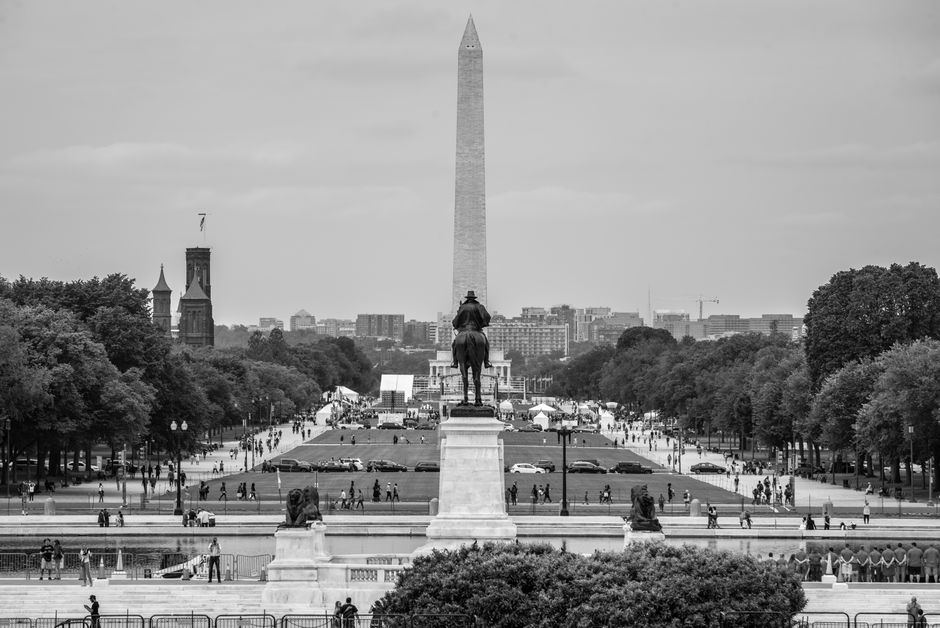
Walk down K Street or through the renovated office parks near Union Market, and the energy is undeniable. Washington's startup ecosystem has exploded over the past three years, with venture capital funding reaching $4.2 billion annually—triple the volume from 2020. Major firms like Greycroft and Foundry Group have expanded their D.C. operations. Co-working spaces from Ballston to Capitol Hill overflow with young founders pitching ambitious ideas to increasingly deep-pocketed investors.
But beneath the optimism lurks a less comfortable reality that few in the community want to discuss publicly. The rapid influx of capital has created a two-tiered ecosystem where well-connected entrepreneurs—disproportionately drawn from privileged backgrounds—access funding far more easily than equally talented founders from underrepresented communities. Data from the District's tech equity task force shows that only 4.3 percent of venture funding in the Washington region flows to Black-led startups, despite the city's majority Black population.
The speed-at-all-costs mentality is reshaping neighborhoods too. Real estate speculators are quietly purchasing properties in historically working-class areas like Trinidad and Benning, betting that proximity to the growing tech hub will spike values. Long-time residents watch as rents climb and small businesses close, replaced by upscale coffee shops catering to venture-backed employees earning six-figure salaries.
Then there's the question of what gets funded. Several prominent D.C.-based startups have raised millions for products with minimal social benefit while genuinely transformative ideas—those addressing housing affordability, criminal justice reform, or immigrant services—struggle to attract investor interest. The financial incentives simply don't align with community needs.
Industry veterans acknowledge the tension. The best venture capital firms understand that sustainable growth requires accountability—rigorous ethics reviews, diverse hiring practices, transparent cap tables, and genuine community partnership rather than extraction. Yet the pressure to deploy capital quickly, to scale aggressively, to chase the next unicorn, often overwhelms those commitments.
Washington's tech leaders face a choice. They can continue building an ecosystem that enriches a narrow slice of the city while widening inequality, or they can deliberately construct something different—one that demands founders think about impact alongside revenue, that opens capital access to overlooked talent, that builds *with* communities rather than *in* them. The infrastructure exists. The question is whether the will does too.
This article was compiled by AI and screened before publishing. See our editorial standards.
How does this story make you feel?
Spread the word
About this article
Published by The Daily Washington DC
Daily brief
Free, in your inbox before 7am. Weekdays.
More in tech