DC Venture Capital Funding Surges 19% in 2026
Washington DC startups raise $2.3B as venture capital shifts toward AI compliance, cybersecurity, and climate tech—sectors where proximity to federal regulators drives competitive advantage.
Washington DC startups raise $2.3B as venture capital shifts toward AI compliance, cybersecurity, and climate tech—sectors where proximity to federal regulators drives competitive advantage.
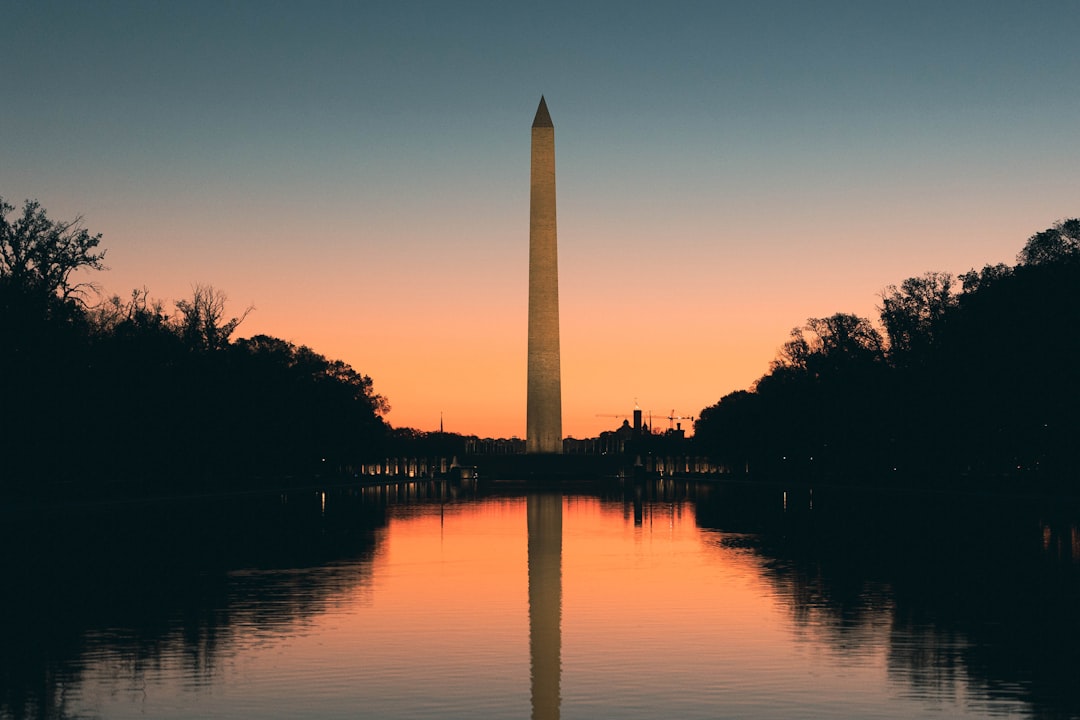
Washington DC's venture capital landscape is entering a defining phase, with local investors and founders signaling a decisive pivot toward products addressing regulatory compliance, national security, and climate adaptation—sectors where the capital's proximity to federal decision-makers offers a structural advantage.
The numbers tell the story. Through the first half of 2026, DC-area startups have raised approximately $2.3 billion in venture funding, a 19 percent increase from the same period last year, according to preliminary data from the DC Tech Council. But the composition has shifted dramatically. AI governance and compliance tools now account for roughly 22 percent of all seed and Series A rounds in the region, up from just 8 percent two years ago.
"The next generation of products being built in the Dupont Circle and Navy Yard corridors aren't about consumer apps," says a spokesperson for one of the region's largest venture firms, which invests across downtown offices near K Street. "They're about helping enterprises navigate an increasingly fragmented regulatory environment."
Several trends underscore this trajectory. Startups developing tools for federal procurement compliance—a $650 billion annual market—have emerged as particular favorites among Georgetown-based and Bethesda-headquartered venture funds. Meanwhile, cybersecurity firms focused on critical infrastructure protection are raising at multiples that rival software-as-a-service valuations from a decade ago.
Climate-focused startups are another focal point. DC-based firms working on grid modernization, water security, and resilience planning have attracted over $340 million in funding this year alone, reflecting both investor conviction and the city's role as a policy nexus for environmental initiatives.
Infrastructure remains a bottleneck. Real estate in traditional tech hubs like the Union Market district and the emerging Navy Yard-Ballpark neighborhood commands $45 to $65 per square foot annually—rates that have pushed some early-stage teams toward Silver Spring and Arlington, where costs are 15 to 20 percent lower.
The broader ecosystem is maturing, too. Accelerators and incubators like 1776 on Pennsylvania Avenue and Halogen Ventures in Bethesda are increasingly focused on helping founders navigate the federal sales cycle—a process that typically requires 18 to 24 months and deep government relationships.
For DC's venture scene, the roadmap ahead is less about disruption and more about solving the nation's most consequential problems. That calculus may ultimately define whether the capital becomes a genuine alternative to coastal tech clusters, or remains a specialized hub for politically-aligned innovation.
This article was compiled by AI and screened before publishing. See our editorial standards.
How does this story make you feel?
Spread the word
About this article
Published by The Daily Washington DC
Daily brief
Free, in your inbox before 7am. Weekdays.
More in tech