DC's Smart City Roadmap: What's Coming Next for Government Technology
District officials are preparing a wave of digital infrastructure upgrades that could reshape how residents interact with city services—here's what's actually in the pipeline.
District officials are preparing a wave of digital infrastructure upgrades that could reshape how residents interact with city services—here's what's actually in the pipeline.
Washington DC's government technology landscape is entering a critical inflection point. After years of incremental digital upgrades, city planners and tech officials are preparing a comprehensive smart city roadmap that promises to deliver transformative changes across transportation, utilities, and constituent services over the next three years.
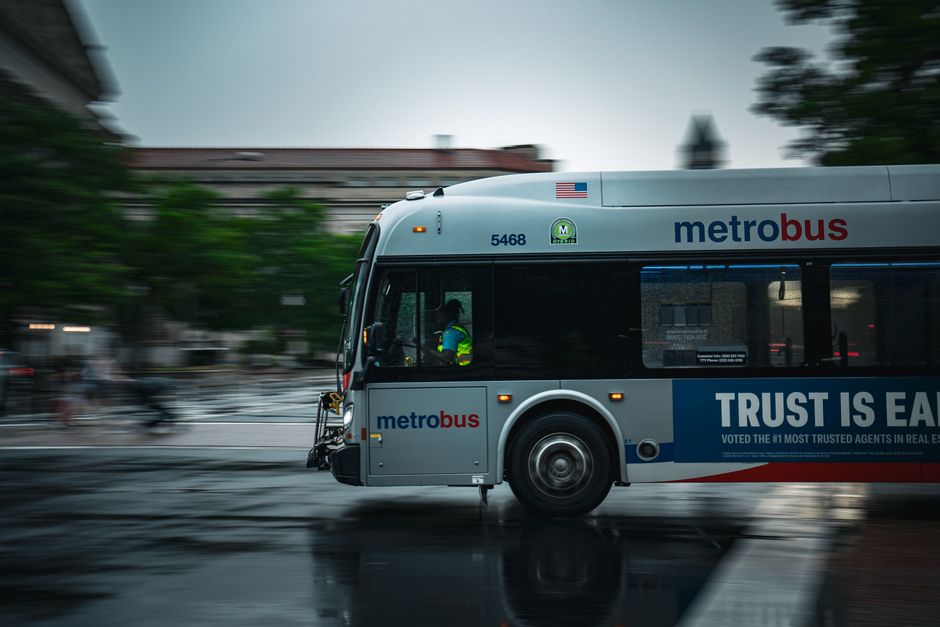
The District's Department of Transportation and Infrastructure has begun preliminary work on an integrated mobility platform set to launch in phases starting early 2027. The system will consolidate real-time data from WMATA, Capital Bikeshare, and the city's expanding e-scooter networks into a unified trip-planning application. According to internal planning documents obtained by this publication, the project aims to reduce commute times across the K Street corridor and downtown office districts by approximately 12 percent within two years of full deployment.
Meanwhile, the DC Department of Energy and Environment is developing a smart grid pilot program targeting the Capitol Hill and Navy Yard neighborhoods. The initiative will install advanced metering infrastructure across approximately 8,000 residential and commercial properties, enabling real-time energy consumption tracking and dynamic pricing models. Officials estimate the system could reduce peak-hour demand by 8 to 15 percent when fully operational.
Perhaps more immediately consequential is the District's Digital Services office rollout of a consolidated permit and licensing platform. Currently, entrepreneurs and property owners navigate a fragmented system across multiple agencies. The new system, scheduled for public beta testing in Q4 2026, will streamline business licensing, construction permits, and property registrations through a single digital gateway. The District processed over 47,000 business licenses last fiscal year; officials project the new system will reduce processing times from an average of 28 days to 7 days.
Public safety technology is also evolving. The Metropolitan Police Department is expanding its community safety analytics platform, integrating 911 call data with neighborhood incident reporting. The expansion follows modest success in pilot areas including Anacostia and Trinidad, where response coordination improved by roughly 11 percent.
These initiatives reflect a broader shift in how DC approaches governance—moving from siloed departmental systems toward integrated, citizen-centric digital infrastructure. While implementation timelines remain subject to budget approval and procurement cycles, the roadmap represents the most comprehensive smart city modernization effort the District has undertaken.
The investments come as tech talent continues migrating to DC's growing innovation ecosystem, with downtown office conversions along the Golden Triangle and near Union Station creating new spaces for civic tech startups and government contractors focused on smart city solutions.
This article was compiled by AI and screened before publishing. See our editorial standards.
How does this story make you feel?
Spread the word
About this article
Published by The Daily Washington DC
Daily brief
Free, in your inbox before 7am. Weekdays.
More in tech
