Walk down H Street NE on a Saturday morning and you'll notice something that would have seemed impossible a decade ago: the intersection of 8th and H is powered almost entirely by renewable energy. The newly renovated district, once a symbol of urban decay, now features rooftop solar installations on nearly 40 percent of its commercial buildings, according to data from the DC Department of Energy and Environment. For local residents, that translates to lower operational costs passed down to tenants and reduced neighborhood carbon emissions by an estimated 12 percent since 2023.
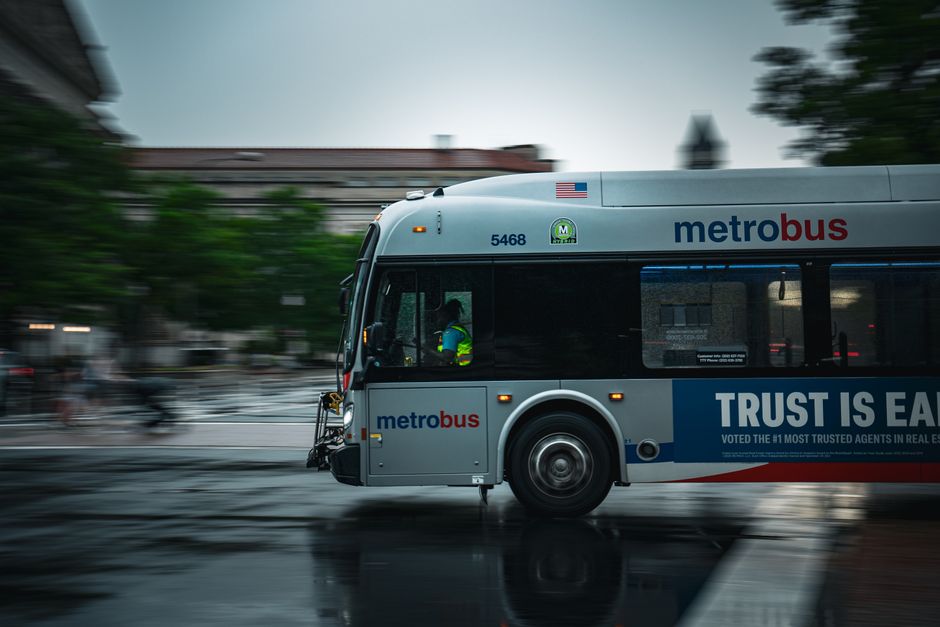
The transformation extends far beyond the trendy Northeast corridor. WMATA's electric bus fleet, which now comprises 25 percent of the agency's total vehicles, has fundamentally altered the commuting experience for thousands of Washingtonians. The quieter, zero-emission buses—particularly visible on the popular 42 route that connects Capitol Hill to Georgetown—have reduced air pollution along major corridors by measurable amounts. Residents living near bus depots report fewer headaches and respiratory complaints, according to a George Washington University public health study released last month.
In Georgetown and along the Anacostia Waterfront, DC's smart grid initiative has become deeply personal. Residents participating in the city's demand-response program—now numbering over 45,000 households—receive real-time notifications about energy usage and peak pricing. Many have cut their summer electricity bills by 15 to 20 percent by shifting consumption to off-peak hours. For middle-income families already grappling with rising housing costs, the savings are tangible.
The shift has also created unexpected community benefits. Rock Creek Park's new solar-powered visitor centers and the Smithsonian's ongoing transition to renewable sources mean more reliable facilities for residents who use these spaces daily. Meanwhile, the proliferation of charging stations across downtown—from Gallery Place to Union Market—has made electric vehicle ownership genuinely practical, not just aspirational. DC now ranks third nationally for EV adoption among major cities, behind only San Francisco and Seattle.
Not everyone has benefited equally. Older neighborhoods east of the Anacostia River have received fewer green tech investments, raising concerns about environmental justice. City officials acknowledge the disparity, announcing new funding initiatives to expand solar programs and charging infrastructure in underserved Ward 7 and 8 communities by 2027.
Still, for most Washingtonians, the green tech revolution isn't abstract anymore. It's the quieter commute home, the lower utility bill, and the visible proof that their city is actually changing—one renewable installation at a time.
This article was compiled by AI and screened before publishing. See our editorial standards.