Washington DC's Fintech Sector Outpaces Global Competitors With Regulatory Edge
The capital's unique blend of regulatory access, policy talent, and institutional money is reshaping how the world thinks about financial innovation.
The capital's unique blend of regulatory access, policy talent, and institutional money is reshaping how the world thinks about financial innovation.
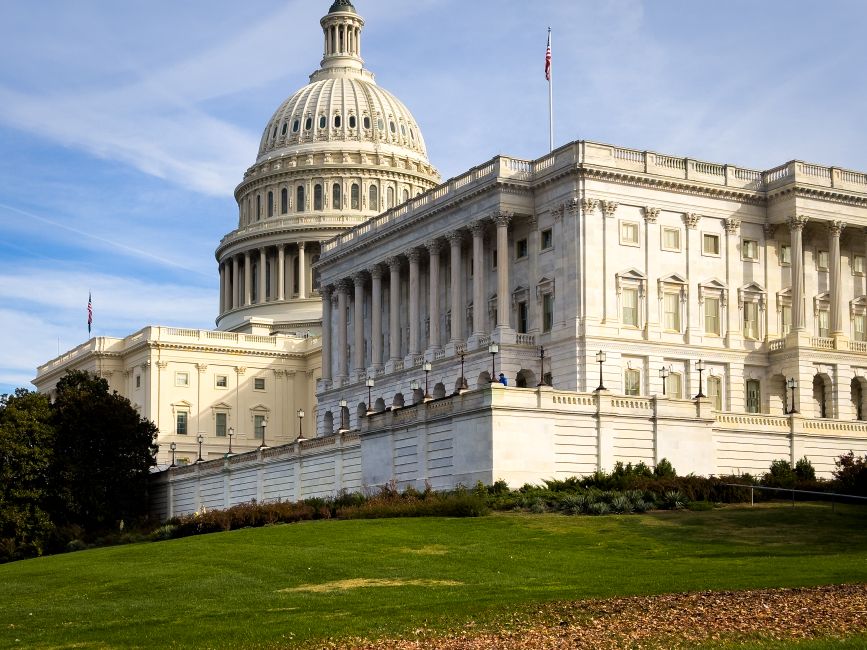
Washington DC's fintech ecosystem operates on a principle that few other global tech hubs can claim: proximity to power itself is a feature, not a bug. While San Francisco built its fortune on venture capital and engineering talent, and New York anchored itself to Wall Street's legacy systems, the District has spent the last seven years cultivating something more distinctive—a financial innovation sector explicitly designed around regulatory intelligence and policy influence.
The numbers tell part of the story. Fintech companies headquartered in DC have raised over $8.2 billion in venture funding since 2020, according to recent venture tracking data. More remarkably, nearly 40% of those deals involved founding teams with prior experience in financial regulation, Treasury Department roles, or congressional policy work. That's a radically different talent pipeline than exists elsewhere.
The geography matters too. Firms like those clustered along K Street NW and the emerging tech corridor near Union Market have learned to operationalize something that venture-backed companies in other cities treat as friction: the regulatory approval process. When your team includes former Securities and Exchange Commission staffers or ex-Deputy Comptrollers of the Currency, navigating the labyrinth of financial services compliance becomes a competitive advantage rather than a cost center.
"The DC fintech advantage isn't faster iteration or cheaper office space," explains one venture partner who requested anonymity due to ongoing fund management activities. "It's that our founders can literally walk to meetings with the people writing the rules."
This isn't without irony. The same corridors of power that enable rapid regulatory feedback also create unusual constraints. Geopolitical tensions—recent diplomatic activity around the Middle East comes as a reminder—can shift policy priorities overnight, occasionally derailing ventures dependent on specific regulatory pathways. Yet that volatility has paradoxically strengthened DC's fintech identity. Companies here are built to anticipate policy change, not resist it.
The institutional investor base reinforces this dynamic. The World Bank, IMF staff, and federal pension funds maintain substantial offices throughout the District, creating patient capital willing to back infrastructure plays and emerging-market solutions that traditional venture investors overlook. That explains why DC fintech disproportionately dominates cross-border payments, sanctions-compliant transfer systems, and regulatory technology platforms.
As global financial infrastructure faces mounting pressure—from geopolitical fragmentation to persistent inflation—Washington DC's fintech sector has positioned itself as essential infrastructure for an unpredictable world. That's a distinctly different competitive position than anywhere else.
This article was compiled by AI and screened before publishing. See our editorial standards.
How does this story make you feel?
Spread the word
About this article
Published by The Daily Washington DC
Daily brief
Free, in your inbox before 7am. Weekdays.
More in tech