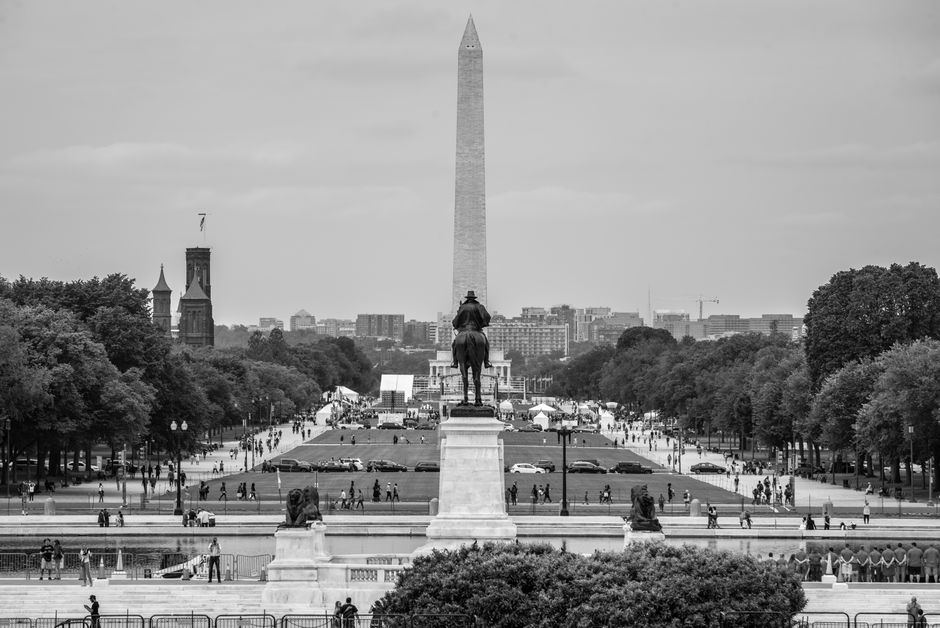
Washington DC's fintech ecosystem is experiencing a remarkable surge in venture capital investment, with over $2.8 billion deployed into the sector across 2024 and 2025—a dramatic jump from the $900 million invested just three years prior. The growth is reshaping how the nation's capital approaches banking innovation, with startups concentrating along K Street, in the Dupont Circle neighborhood, and increasingly in the emerging tech hubs around Navy Yard-Ballpark.
The funding momentum reflects broader confidence in financial technology's potential to disrupt legacy banking systems. Major venture firms including Accel Partners, Bessemer Venture Partners, and Washington-based Grotech Ventures have dramatically increased their fintech allocations, recognizing the region's unique advantage: proximity to federal regulators, established financial institutions, and a talent pool that straddles both policy expertise and technical innovation.
"DC has become a magnet for founders who understand that banking regulation is feature, not bug," said one prominent venture capitalist operating from an office tower near the White House, noting that the regulatory clarity available in the capital attracts entrepreneurs building compliance-first platforms.
The investment has created tangible economic momentum. Commercial real estate on K Street between 17th and 19th Streets—traditional finance territory—is experiencing renewed demand from fintech firms seeking proximity to established banking partners. Average office lease rates in these corridors have climbed to $65 per square foot annually, up from $52 in 2022, as startups expand their footprints.
Notable funding rounds have proliferated. A payments infrastructure startup incubated through Georgetown's McDonough School of Business raised $95 million in Series B funding last spring. A digital banking platform founded by former Treasury Department officials closed a $78 million Series A round in early 2026. These capital injections are enabling aggressive hiring—fintech job postings in DC increased 340 percent year-over-year through mid-2026.
The surge reflects national trends: as traditional banks face margin pressures and regulatory burdens, investors increasingly back specialized fintech competitors addressing niche markets—from embedded finance solutions for SMBs to financial wellness platforms targeting underbanked populations.
Yet challenges remain. Interest rate volatility and recent regulatory scrutiny of cryptocurrency's intersection with traditional banking have created funding headwinds for some subsectors. Still, Washington's fintech community remains optimistic, viewing regulatory engagement not as an obstacle but as validation that their sector matters at the highest levels of government.
The next 18 months will reveal whether DC's fintech investment surge translates into sustainable, profitable companies—or whether it represents another venture capital cycle destined for correction.
This article was compiled by AI and screened before publishing. See our editorial standards.