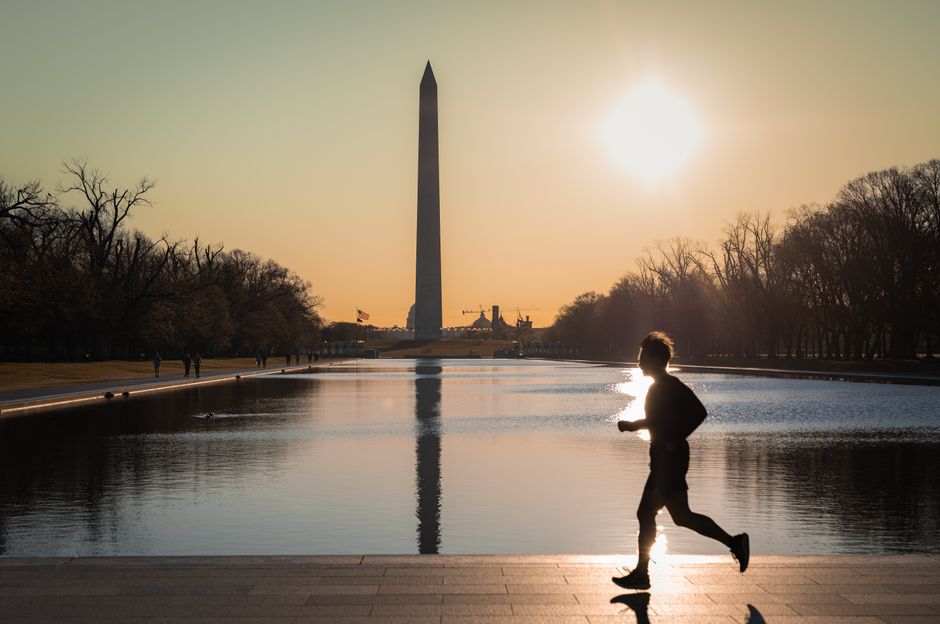
Walk through Rock Creek Park on any given morning and you'll spot them: joggers, cyclists, and an increasing number of people simply sitting on benches with closed eyes. In a city where stress is practically municipal currency, mental health management has become as essential as a Metro card. Yet Washington DC's relationship with mindfulness and stress-reduction practices tells a story that diverges in subtle but significant ways from global wellness trends dominating New York, Los Angeles, and international wellness capitals like London and Singapore.
Globally, the mindfulness market has exploded. Apps like Headspace and Calm report tens of millions of users worldwide, with meditation instruction becoming increasingly commodified and accessible. Yet in Washington—a city of 700,000 with some of the nation's highest stress indicators tied to political cycles, economic pressure, and competitive professional culture—uptake has followed a more grounded, locally-adapted pattern.
The Georgetown-based Wellness Council of DC reports that workplace mindfulness programs have grown 34% since 2023, but implementation skews practical rather than trendy. Unlike the Instagram-friendly yoga studios clustering in Brooklyn or the luxury meditation retreats proliferating in Bali, DC's approach favors free or low-cost offerings. The National Institutes of Health's research campus in Bethesda continues validating mind-body practices scientifically, lending credibility to local initiatives. Meanwhile, organizations like the DC Department of Behavioral Health have embedded stress-reduction workshops into community centers across Anacostia, Shaw, and Columbia Heights—neighborhoods where access barriers have historically limited wellness program reach.
The contrast becomes clearer when examining pricing and accessibility. Premium meditation studios in Manhattan charge $40 per class; comparable DC studios average $18-22. Meanwhile, Rock Creek Park—the city's largest green space—remains free, and its trails attract walkers and runners seeking mental clarity without membership fees. The Capital Bikeshare system, which expanded significantly after 2024, has become an informal stress-management tool, with cycling commutes serving dual purposes: transportation and mental health.
What makes DC distinctly different from global wellness trends is the integration of mental health into civic infrastructure rather than luxury lifestyle branding. The National Cathedral's contemplative spaces, free meditation hours at the Hirshhorn, and outdoor fitness communities across the National Mall reflect a city-wide philosophy: wellness shouldn't be exclusive.
As stress-related mental health challenges continue climbing—the American Psychological Association reports rates remain elevated nationwide—Washington's approach offers a counterpoint to global trends emphasizing monetized, app-based solutions. Here, mindfulness is increasingly embedded in daily routines, community spaces, and public health initiatives. It's less about retreats to exclusive locations and more about finding five minutes of peace on a Tuesday afternoon in a park you can reach by bike.
This article was compiled by AI and screened before publishing. See our editorial standards.