DC's Over-60 Fitness Culture Outpaces Global Cities, Access Gaps Persist
Washington's thriving over-60 fitness culture outpaces many international cities, but data reveals surprising gaps in equitable access across neighbourhoods.
Washington's thriving over-60 fitness culture outpaces many international cities, but data reveals surprising gaps in equitable access across neighbourhoods.
Listen to this article · 4:02
Walk along the Rock Creek Park trail system on any morning, and you'll spot what international wellness researchers increasingly recognize as a distinctly American phenomenon: clusters of fit, mobile seniors powering through miles before breakfast. Yet Washington DC's senior active-ageing landscape tells a more nuanced story than the visible success stories suggest, revealing both leadership and concerning disparities compared to global wellness benchmarks.
The numbers support DC's reputation as a leader. According to recent data from the DC Department of Health, approximately 32% of residents aged 65 and older report regular physical activity—above the national average of 28%. The Capital Bikeshare programme, which counts seniors as one of its fastest-growing user demographics, has enabled thousands of older adults to maintain cardiovascular fitness at a fraction of traditional gym membership costs (roughly $15 monthly for seniors versus $70–$120 elsewhere).
But here's where global comparison gets interesting. European cities like Copenhagen and Amsterdam have embedded active-ageing infrastructure into urban design for decades; their senior populations benefit from pedestrian-first planning that Washington is only now attempting through initiatives like the 15th Street corridor redesign. Meanwhile, Asian cities such as Singapore have pioneered subsidized community-based movement programmes—tai chi, water aerobics, strength training—reaching 45% of seniors in public housing. DC's equivalent offerings through the Department of Health's community centres serve roughly 18% of the eligible population, concentrated heavily in Northwest and Southwest quadrants. Northeast and Southeast neighbourhoods report significantly lower participation rates.
The equity gap is real. A senior in Chevy Chase or Cleveland Park enjoys proximity to multiple fitness facilities, personal trainers, and walking-focused urban design. Those same resources are thinner in Anacostia or along the Deanwood corridor. While Georgetown's upscale wellness studios market anti-ageing mobility packages at $200+ per class, public options remain underadvertised and underfunded.
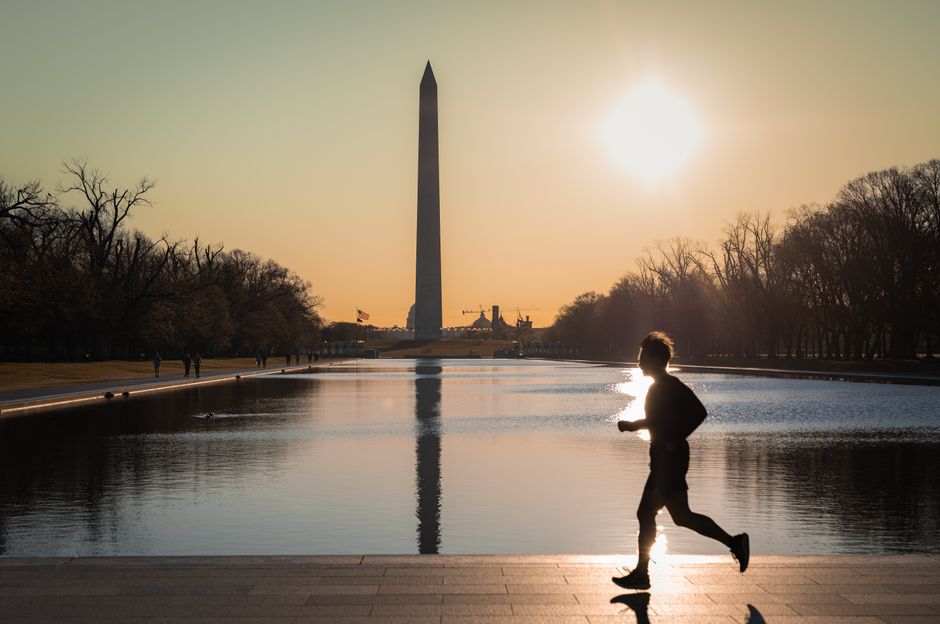
What DC does exceptionally well is foster a culture of movement across age groups. The local running community—DC Road Runners and similar clubs—actively welcomes older participants. The Smithsonian's free museums and the National Mall itself function as low-barrier fitness destinations. This contrasts sharply with more car-dependent American cities and rivals several European capitals in accessibility.
The takeaway for DC's wellness sector: local momentum is genuine, but global best practices suggest we're leaving significant populations behind. Scaling equitable access to programmes proven effective elsewhere—subsidized community classes, neighbourhood-specific campaigns, mobility-focused primary care integration—could close gaps and strengthen DC's position as a genuine leader in senior active ageing.
This article was compiled by AI and screened before publishing. See our editorial standards.
How does this story make you feel?
Spread the word
About this article
Published by The Daily Washington DC
Daily brief
Free, in your inbox before 7am. Weekdays.
More in Wellness