The secret to staying mobile after 60 in Washington DC isn't found in any supplement aisle. It's found in the daily decisions that locals make before breakfast—and they're surprisingly ordinary.
Consider the rhythms along Rock Creek Park's Eastern Ridge Trail. Any weekday morning reveals a pattern: the same faces, the same pace, the same commitment. "I don't think of it as exercise," says the routine repeated across Chevy Chase, Kalorama, and Cleveland Park. "It's just Tuesday." That consistency—showing up regardless of weather or motivation—appears across successful ageing research and local experience alike.
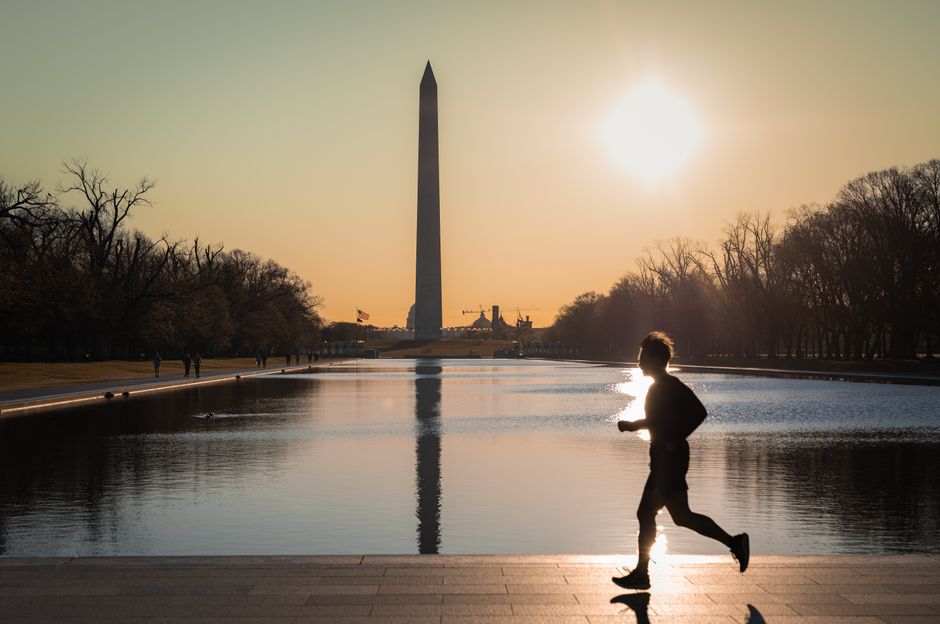
The District's running community, traditionally focused on younger athletes training for marathons, has quietly become a model for senior mobility. Groups meeting at the Lincoln Memorial and along the C&O Canal path now include members in their 60s and 70s who've discovered that social commitment matters more than intensity. The American Council on Exercise notes that adults over 65 who exercise with others show higher adherence rates than solo practitioners.
Strength training, often overlooked by older adults, has become mainstream at local YMCAs in Bethesda, Georgetown, and the downtown location on 14th Street NW. Two sessions weekly—targeting leg strength, core stability, and balance—costs roughly $60–80 monthly and directly prevents falls, the leading injury cause for seniors nationally. Simple movements matter: step-ups using a sturdy chair, wall push-ups, and resistance band work done at home require no equipment investment.
Capital Bikeshare's adaptive bike programme and the gentler routes through the National Mall have expanded who cycles in the city. Flat terrain, short distances between rest stops, and the psychological boost of independent transport appeal to active older residents maintaining mobility without driving.
The most consistent habit among DC's mobile seniors? Breaking movement into three 10-minute sessions daily rather than aiming for one gym block. A walk to Whole Foods on Connecticut Avenue, stretching while checking email, and an evening stroll through your neighbourhood accumulates the recommended 150 minutes of weekly moderate activity without the intimidation of formal exercise.
Physical therapists at the NIH and local orthopedic practices emphasise that these habits aren't about athletic performance. They're about preserving the ability to carry groceries, play with grandchildren, and navigate the District's neighbourhoods independently. For DC's active seniors, that's everything.
This article was compiled by AI and screened before publishing. See our editorial standards.