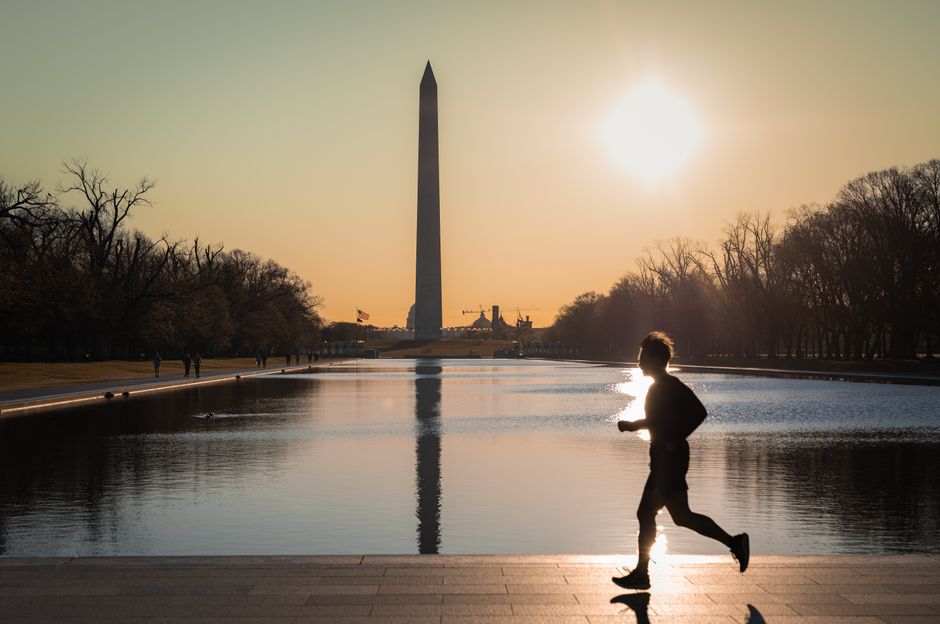
Walk through Rock Creek Park on any weekday morning, and you'll spot them: clusters of determined exercisers in athletic wear, moving through circuits of burpees, sprints, and resistance exercises while an instructor calls out motivational cues. Outdoor boot camps have become a defining feature of Washington's fitness landscape, drawing hundreds of participants monthly and reshaping how residents approach community exercise.
The trend reflects a broader shift in how Washingtonians prioritize fitness. Rather than retreating to climate-controlled gyms, more residents are embracing outdoor training—particularly in neighbourhoods like Capitol Hill, Georgetown, and along the Anacostia Riverwalk Trail. Boot camp operators report that participation has grown approximately 35 percent over the past two years, with sessions ranging from $15 to $25 per class, positioning them as accessible alternatives to traditional gym memberships.
What exactly should newcomers expect? Most sessions run 45 to 60 minutes and combine cardio intervals with strength-training elements using minimal equipment—often just bodyweight, resistance bands, or kettlebells. Instructors typically tailor movements to accommodate various fitness levels, meaning beginners and experienced athletes can participate simultaneously. Sessions tend to emphasize community accountability; participants often return to the same spot and instructor repeatedly, building genuine relationships alongside fitness gains.
The logistics are straightforward. Popular venues include the open fields near the Lincoln Memorial, designated areas within Rock Creek Park near the Nature Center, and spaces along the Tidal Basin. Some established programs operate year-round, while others scale back during winter months. The District's extended summer season—roughly May through October—sees the highest concentration of outdoor offerings, with many neighborhoods hosting multiple weekly sessions.
Why the surge? Experts point to several factors: post-pandemic appetite for outdoor activities, the District's robust running and cycling communities providing a fitness-forward culture, and practical benefits like zero commute time and vitamin D exposure. Additionally, the social element appeals to Washingtonians seeking connection beyond professional networks; boot camps attract professionals, families, and longtime residents across demographic lines.
First-timers should arrive 10 minutes early, wear weather-appropriate clothing, and bring water. Many instructors welcome drop-ins, though some popular sessions fill quickly during peak summer months. Check neighborhood fitness pages, local running clubs, and Capital Bikeshare community boards for current schedules and locations.
For those seeking structured group fitness without gym walls, Washington's outdoor boot camp movement offers an accessible entry point—and a chance to exercise where the city's natural spaces have long inspired its most dedicated athletes.
This article was compiled by AI and screened before publishing. See our editorial standards.