Washington DC Discovers Sleep Science Boosts Productivity Across the Capital
From Capitol Hill to Dupont Circle, Washington's high-achieving culture is colliding with a growing recognition that better sleep means better performance.
From Capitol Hill to Dupont Circle, Washington's high-achieving culture is colliding with a growing recognition that better sleep means better performance.
Listen to this article · 3:45
Washington DC has long been a city that runs on coffee, ambition, and the assumption that sleeping less means working more. But something is shifting in the nation's capital, where a new wellness movement centered on sleep quality and rest is gaining serious momentum among the city's notoriously overworked professionals, runners, and policy workers.
The trend reflects a broader national conversation about burnout, but in DC it has particular resonance. The city's 24-hour news cycle, Capitol Hill demands, and competitive professional culture have created generations of sleep-deprived residents. Now, wellness practitioners, fitness studios, and sleep clinics across neighborhoods from Bethesda to Southeast DC are reporting unprecedented interest in rest-focused programming.
Sleep-tracking fitness classes have proliferated at boutique studios throughout the city. Meanwhile, establishments along M Street in Georgetown and in the Barracks Row corridor are promoting "wind-down" beverages—herbal teas, magnesium drinks, and alcohol-free alternatives—designed to support evening routines. The shift signals that Washingtonians are beginning to view sleep not as laziness but as essential infrastructure for sustained productivity.
The NIH, headquartered in Bethesda, has quietly amplified this conversation through its ongoing sleep and circadian rhythm research, findings that filter into the local wellness community. Several DC-based sleep medicine practices now operate at capacity, with some reporting 40 percent increases in new patient appointments over the past 18 months.
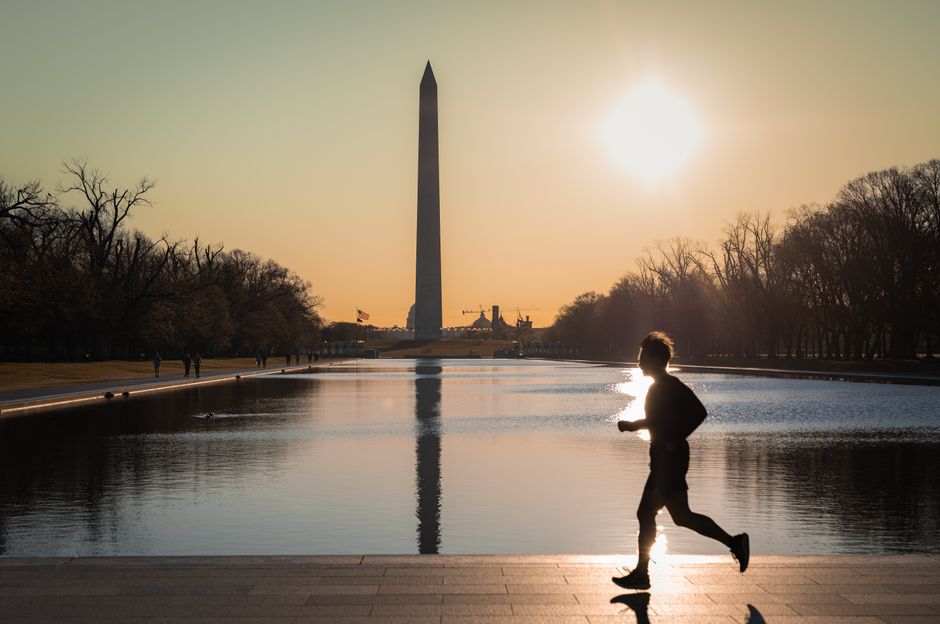
Local running clubs—a cornerstone of DC's outdoor fitness culture—are incorporating sleep science into their training programs. Groups meeting at Rock Creek Park on weekend mornings now discuss recovery protocols alongside pace work, recognizing that the city's humid summers and demanding schedules require intentional rest strategies.
Yoga studios from Woodley Park to Capitol Hill have expanded evening classes specifically designed for nervous system regulation and sleep preparation. Meanwhile, wellness retreats within a two-hour radius of DC have seen bookings surge, with many marketing themselves explicitly as "sleep recovery" destinations.
Experts caution that individual sleep needs vary significantly. The National Sleep Foundation recommends seven to nine hours for most adults, though research continues to evolve. For anyone struggling with persistent sleep issues, consulting a healthcare provider—whether at a local practice or through DC's robust medical research institutions—remains the first step.
What's clear is that Washington, a city famously resistant to slowing down, is beginning to embrace rest as a performance metric. Whether driven by genuine health awareness or Silicon Valley-style optimization culture, the result is the same: DC is finally getting serious about sleep.
This article was compiled by AI and screened before publishing. See our editorial standards.
How does this story make you feel?
Spread the word
About this article
Published by The Daily Washington DC
Daily brief
Free, in your inbox before 7am. Weekdays.
More in Wellness