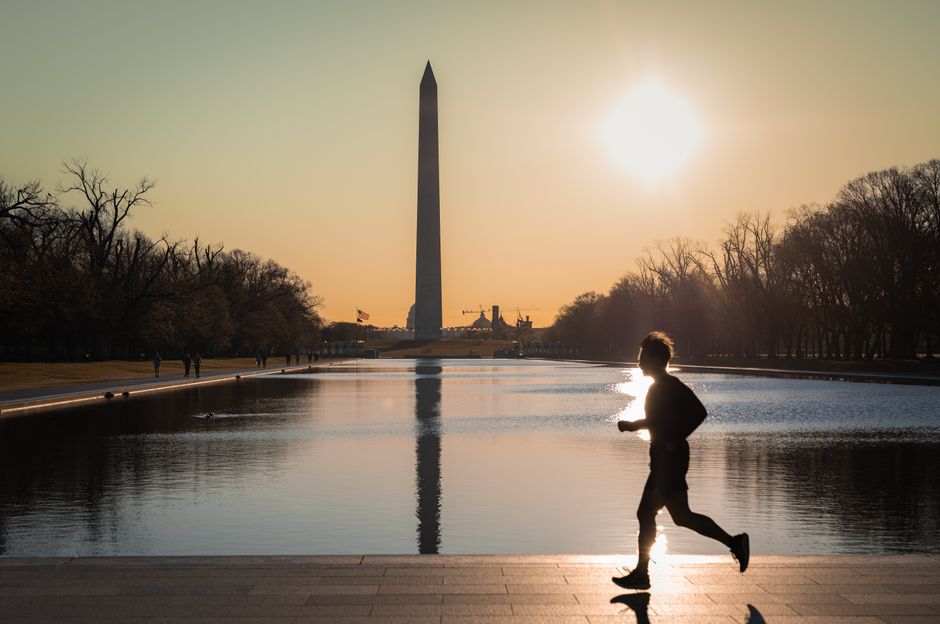
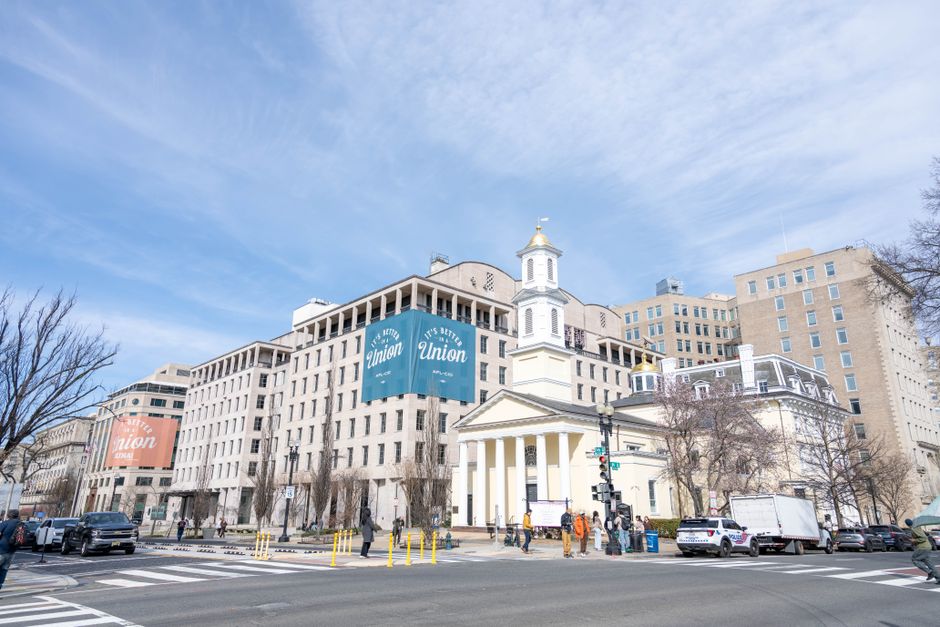
Walk through Georgetown on any Tuesday evening and you'll spot yoga mats tucked under arms, studio lights glowing warmly from storefronts along M Street. Yet despite Washington DC's reputation for high-stress politics and relentless professional culture, the capital's meditation and yoga adoption lags behind comparable major cities—and local wellness experts are asking why.
Globally, the yoga market surged to $88 billion in 2024, with meditation apps crossing 100 million combined downloads. Major cities like New York, Los Angeles, and London have woven mindfulness into their civic identity. DC, by contrast, maintains a more measured approach. Industry data suggests roughly 12% of the DC metro population practices yoga regularly, compared to 18-22% in coastal wellness hubs.
Yet the local scene is quietly sophisticated. Studios from DogPound Yoga near Dupont Circle to Yoga Heights in Adams Morgan have cultivated dedicated communities. Meditation retreats at the Kripalu Center's DC satellite have grown 40% since 2022. Rock Creek Park's forested trails have become informal meditation corridors for runners and walkers seeking stillness amid commutes from Capitol Hill and the Golden Triangle.
What explains the gap? Partly timing. DC's wellness infrastructure boomed later than California or New York. A single studio session runs $18-25 here—competitive nationally but steeper than community centers offer. The city's transient population, with federal employees cycling through assignments, may discourage commitment to sustained practice.
But DC's holistic wellness story extends beyond studio yoga. The NIH's National Center for Complementary and Integrative Health, headquartered in Bethesda, has legitimized meditation research locally in ways that resonate with the region's evidence-driven culture. Hospital networks including MedStar and Georgetown University Medical Center now integrate mindfulness programs into patient care—a trend accelerating nationally but rooted here in serious research infrastructure.
Community centers from the Friendship House in Columbia Heights to the Woodridge Library have launched free or low-cost meditation classes, democratizing access beyond boutique studios. Capital Bikeshare users increasingly cite cycling as moving meditation, weaving wellness into daily transport.
The shift suggests DC's wellness philosophy differs from global trends emphasizing luxury and escapism. Here, mindfulness integrates into existing routines: lunch-break sessions near the National Mall, evening meditation in neighborhood parks, workplace programs addressing burnout. It's less about retreating to Bali-inspired sanctuaries and more about finding calm within the city's demanding rhythm.
As global wellness corporations expand aggressively, Washington's slower, steadier adoption may actually reflect something profound: a city learning to meditate not despite its intensity, but because of it.
This article was compiled by AI and screened before publishing. See our editorial standards.