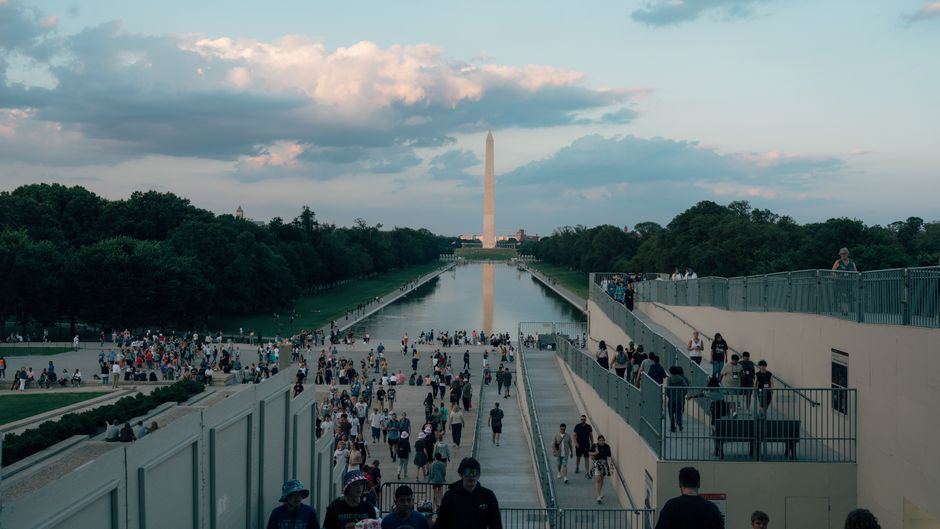
As participation in grassroots athletics surges across Washington, aging facilities and unequal resource distribution threaten opportunities for thousands of young athletes.
New participation data shows Washingtonians are diving headfirst into swimming and aquatic fitness—and the trend tells us something important about where the city's health priorities lie.
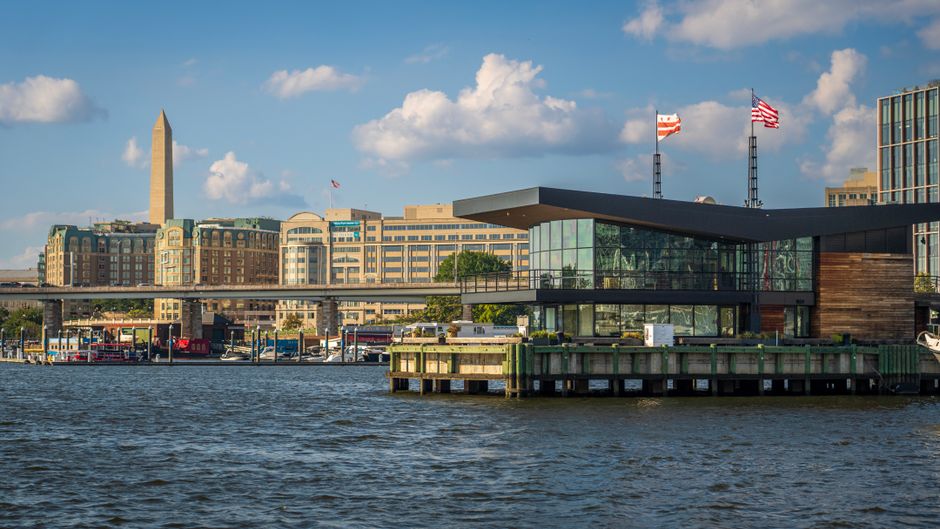
The competitive rowing collective is drawing fitness enthusiasts from across the District to the Potomac's banks, sparking a broader conversation about team-based training culture in Washington.
As participation in amateur recreational sports surges across the district, neighborhood clubs and volunteer-run leagues are becoming the backbone of DC's athletic renaissance.
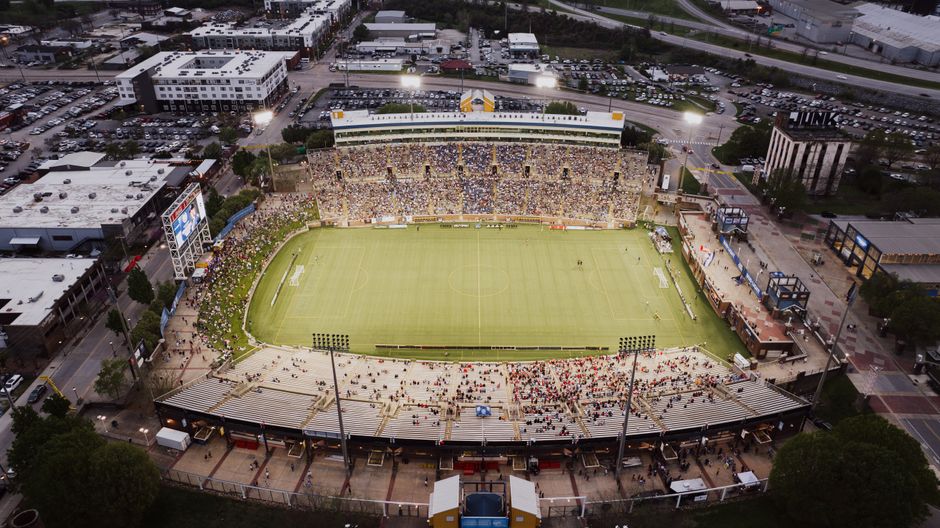
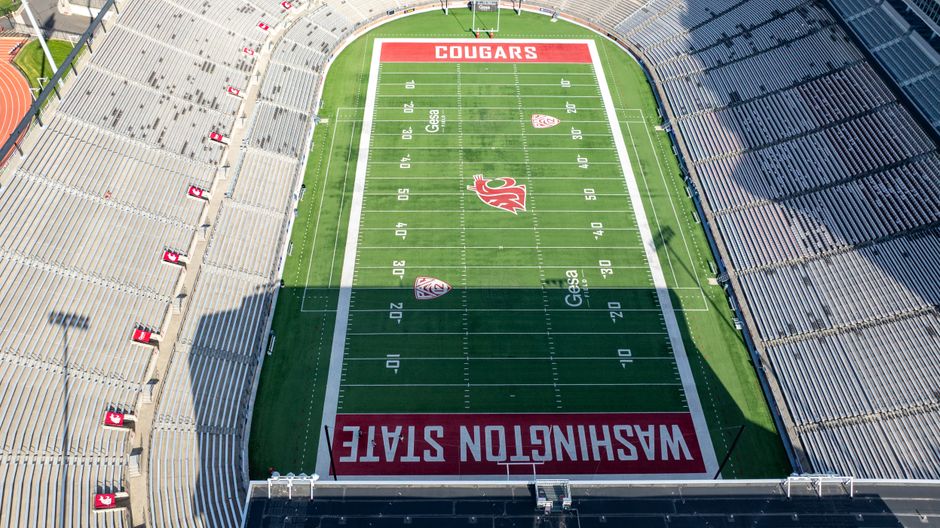
From Nationals Park to Audi Field, the capital's venues delivered dramatic finishes and playoff implications that kept fans in the stands and locals glued to their screens.
A decade-long effort by local climbers has transformed Washington's outdoor recreation landscape, turning underutilized natural areas into thriving hubs for adventure sports.
As swimmers and water polo teams eye regional championships, local pools from Rock Creek to Southeast DC will host the competitions that could reshape the capital's competitive landscape.
With playoff positioning on the line, the Black-and-Red must navigate a brutal summer schedule while the capital's soccer faithful eye long-awaited silverware.
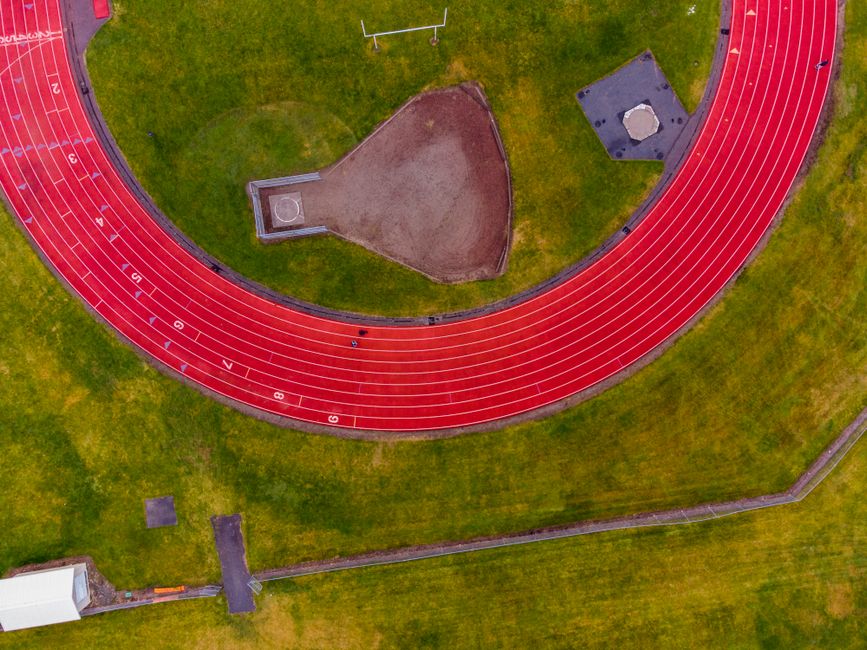
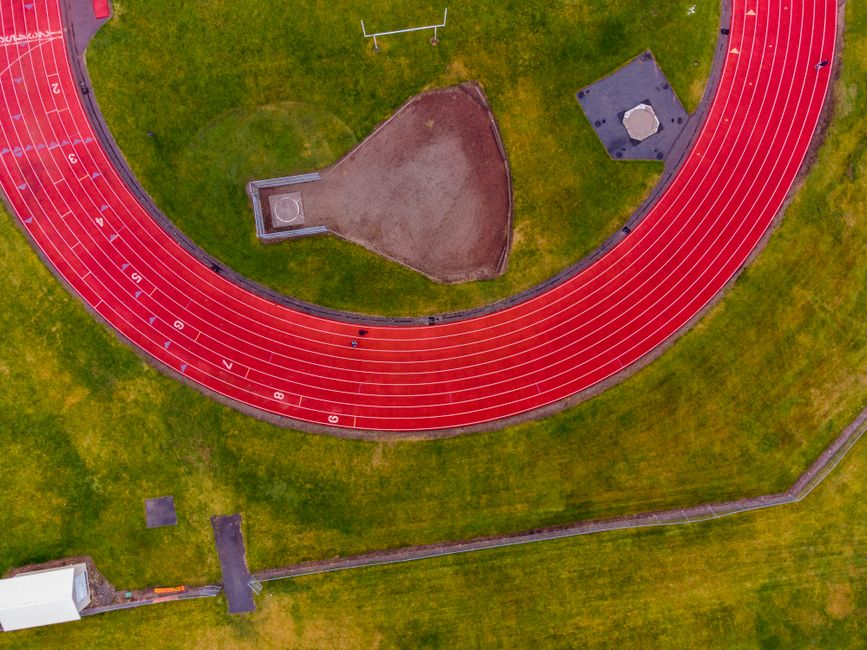
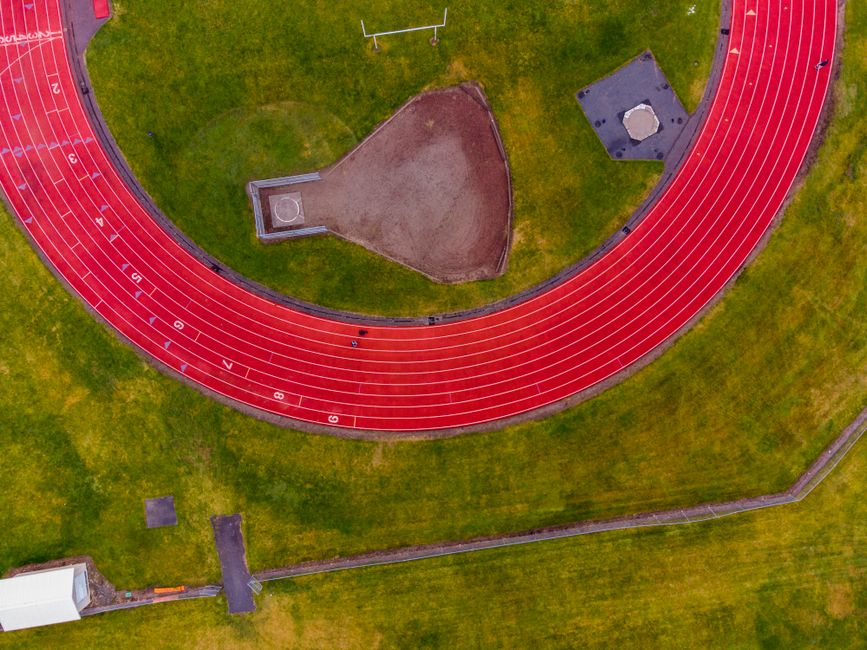
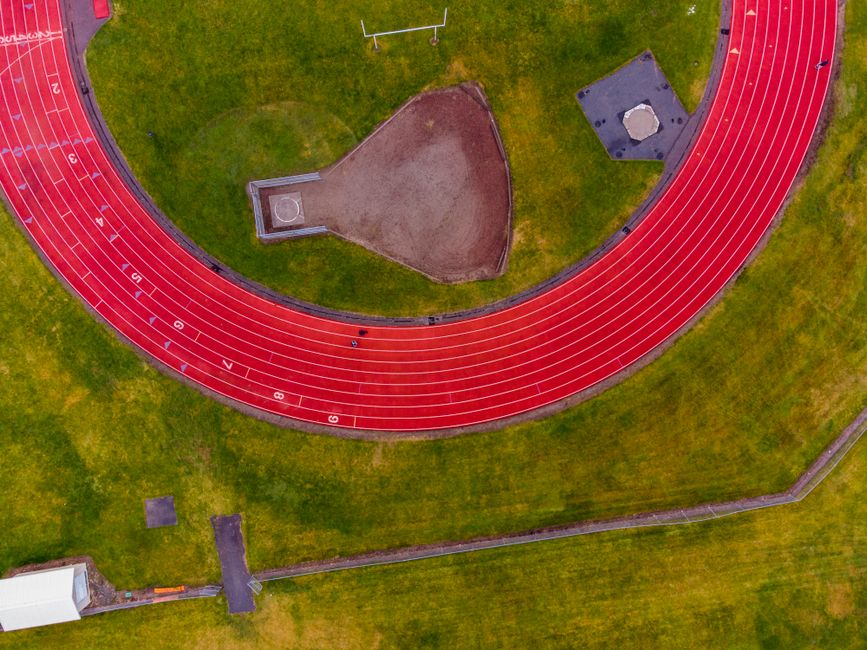
As participation in running, cycling, and triathlons surges across Washington, the capital's patchwork of facilities reveals both hidden gems and critical gaps.
As the Hoyas embrace a scientifically rigorous training methodology, local fitness clubs report surge in membership from athletes seeking to replicate the program's results.
As enrollment surges across the District, grassroots organizations are using athletics to strengthen neighborhoods and create pathways for young athletes.
New enrollment figures from grassroots programs across the District show a striking shift in how young Washingtonians are choosing to stay active—and what it says about the city's priorities.
With Washington's baseball team fighting for postseason glory, local training facilities report unprecedented demand for conditioning programs designed to mirror the intensity of late-season athletic performance.
As interest in water sports surges across the District, aging pools and limited facilities strain to meet demand from competitive athletes and recreational swimmers alike.