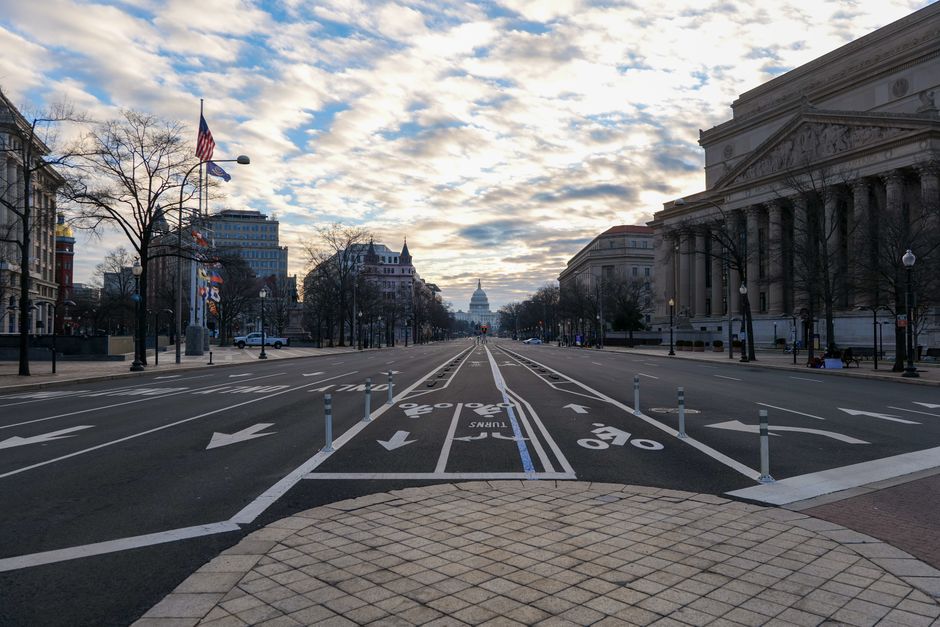
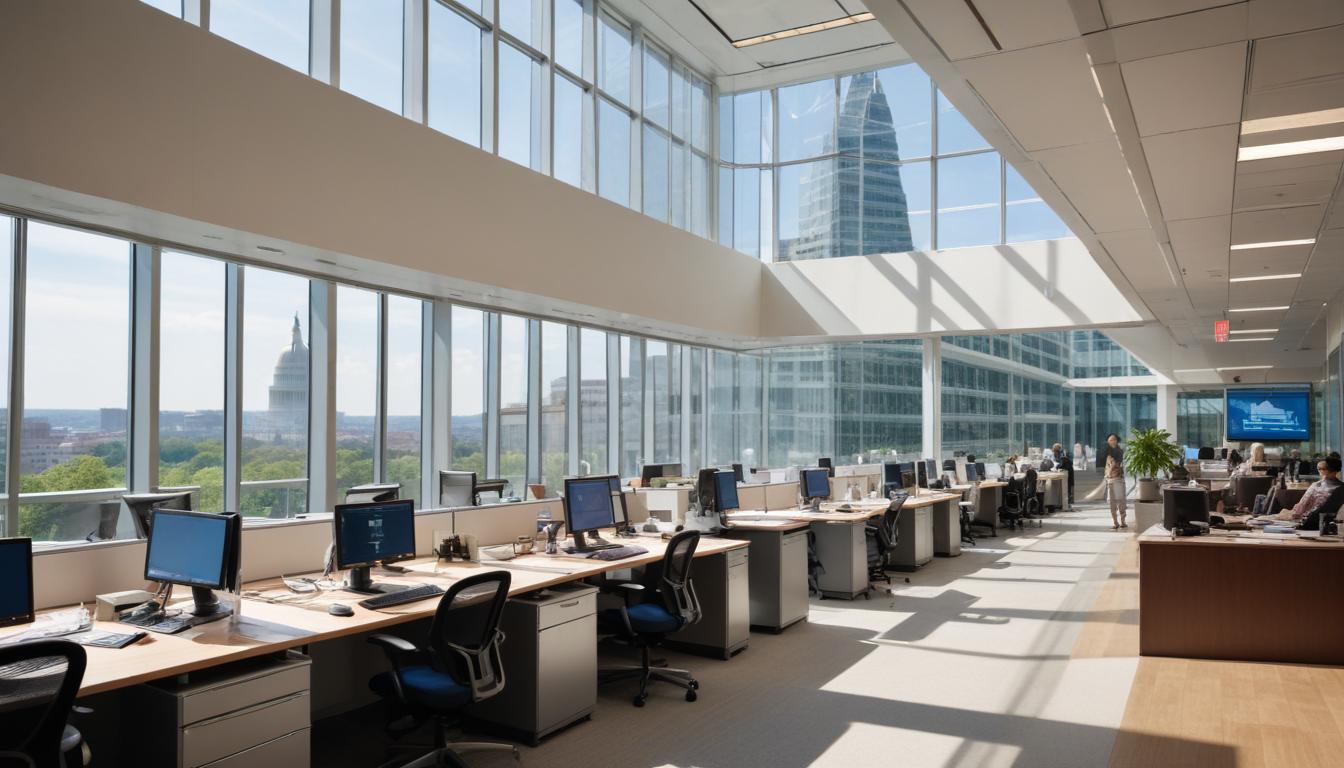
As office occupancy plummets across K Street and downtown corridors, Washington's job market is fragmenting into winners and losers in ways that threaten the capital's traditional economic engine.
As inflation stabilizes and the Federal Reserve maintains its current rate posture, Washington's office and retail sectors face a critical recalibration that could reshape where companies choose to operate.
A Georgetown native's pivot to experiential dining tours is redefining how visitors experience the capital's culinary scene—and boosting neighborhood economies in the process.
As downtown commercial real estate struggles, the ripple effects are reshaping everything from your morning coffee options to property taxes and neighborhood vitality.
As international conflicts ripple outward, Washington's import-dependent firms and consulting corridors are facing fresh supply chain headaches and shifting client demands.
Hotel operators and restaurants along K Street and in Georgetown are bracing for summer slowdown as international visitors retreat amid geopolitical instability.
Once a thriving innovation hub anchored by the Navy Yard and H Street corridors, Washington's emerging tech ecosystem is struggling to compete as venture capital dries up and talent flees to cheaper markets.
As geopolitical tensions and economic uncertainty roil international markets, DC's commercial property sector faces mounting pressure from corporate flight and shifting tenant demand.
Rising commercial rents, changing foot traffic patterns, and evolving consumer priorities are forcing entrepreneurs across the District to rethink their strategies in the second half of 2026.
Washington DC's innovation districts around Navy Yard and Union Market are creating specialized tech jobs, forcing corporate recruiters to compete for talent in emerging neighborhoods.