International Workers Flock to Washington DC's Revitalized Neighborhoods and Visa Programs
A surge in visa programs, revitalized neighborhoods, and a booming diplomatic scene have transformed DC into an unexpected haven for global relocators.
A surge in visa programs, revitalized neighborhoods, and a booming diplomatic scene have transformed DC into an unexpected haven for global relocators.
Listen to this article · 4:05
Washington DC's appeal to international newcomers has quietly shifted over the past eighteen months, creating what locals are calling a genuine moment of urban renewal. Where the capital once felt geopolitically volatile and economically uncertain, expats now describe a city energized by fresh opportunity and unexpected cosmopolitan depth.
The shift began with administrative changes that expanded visa pathways. EB-5 investor visa holders and remote workers on extended stays have discovered that DC's cost of living, while rising, remains 20-30 percent below comparable global capitals. A one-bedroom apartment in Dupont Circle or Logan Circle now averages $2,400 monthly—steep by American standards but accessible for international professionals earning in hard currency. Meanwhile, neighborhoods like H Street NE and Ivy City have transformed from industrial zones into thriving cultural hubs, offering younger expats affordable entry points into genuinely vibrant streetscapes.
The diplomatic community expansion has been tangible. New embassy openings and cultural missions along Embassy Row and in the West End have created professional networks that feel genuinely international rather than merely transactional. The World Bank, IMF, and OAS have all increased regional hiring, drawing talent from across Latin America, Europe, and Africa. International schools—including the British School of Washington and the International School of Washington—report 40 percent enrollment growth since 2024, signaling family relocation confidence.
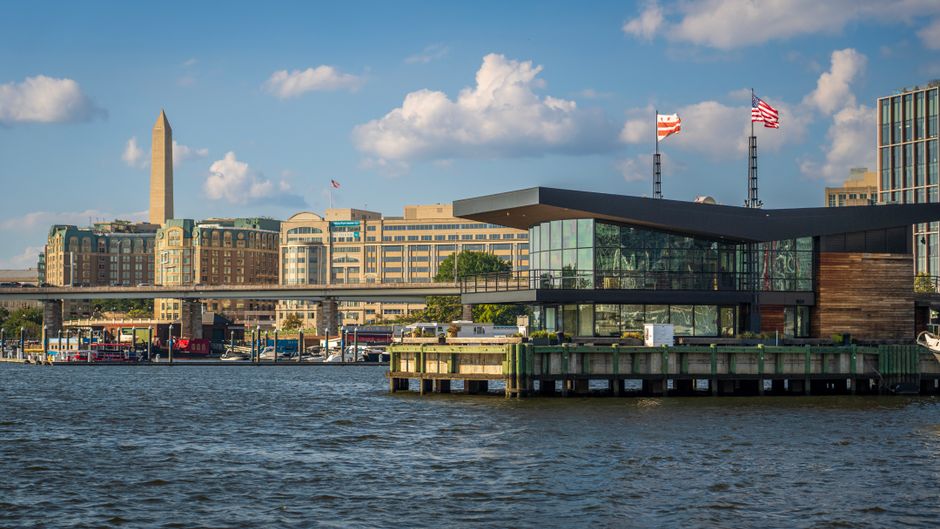
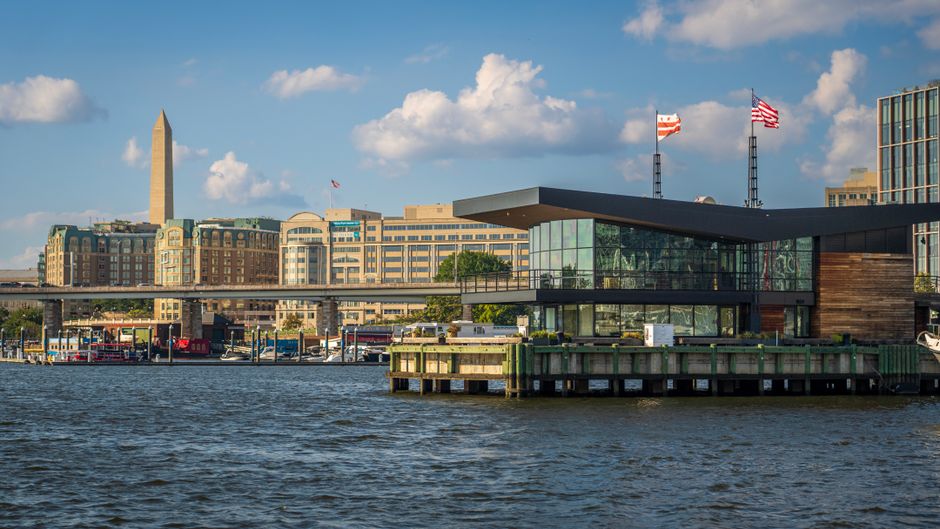
What truly excites recent arrivals is the city's cultural infrastructure evolution. The Hirshhorn's expanded programming, the Kennedy Center's international residency initiatives, and the opening of boutique venues like the Anthem in Southwest DC have created a dining and entertainment ecosystem that feels genuinely cosmopolitan. The revitalization of the Wharf district—once neglected waterfront—now hosts international restaurants, wine bars, and weekend markets that rival comparable neighborhoods in London or Berlin.
Practical improvements matter too. The Metro system's reliability has improved measurably; Rock Creek Park remains an extraordinary urban amenity; and Georgetown's high street continues attracting international retail brands. The National Mall still functions as an incomparable civic center, free to all.
Perhaps most importantly, DC's international character feels less performative now. The city attracts genuine global citizens—entrepreneurs, diplomats, academics, artists—rather than transient policy workers. Coffee shops in Bethesda feature conversations in Mandarin and Portuguese. Weekend farmers markets showcase immigrant-owned enterprises. This diversity has become the city's emotional baseline rather than its exception.
For expats considering relocation, DC's moment has genuinely arrived. The infrastructure supports it. The community welcomes it. And perhaps most convincingly, longtime residents themselves seem to believe in the city again.
This article was compiled by AI and screened before publishing. See our editorial standards.
How does this story make you feel?
Spread the word
About this article
Published by The Daily Washington DC
Daily brief
Free, in your inbox before 7am. Weekdays.
More in lifestyle