Spend a Saturday morning at the Smithsonian National Museum of American History on the National Mall, and you'll experience something that separates Washington from London, Paris, Tokyo and Berlin: admission is entirely free. While most major capitals charge £20-30 for comparable institutions, the Smithsonian's 19 museums—collectively holding 155 million objects—cost visitors nothing. It's a deliberate statement about democratic access to culture that shapes how locals spend their weekends.
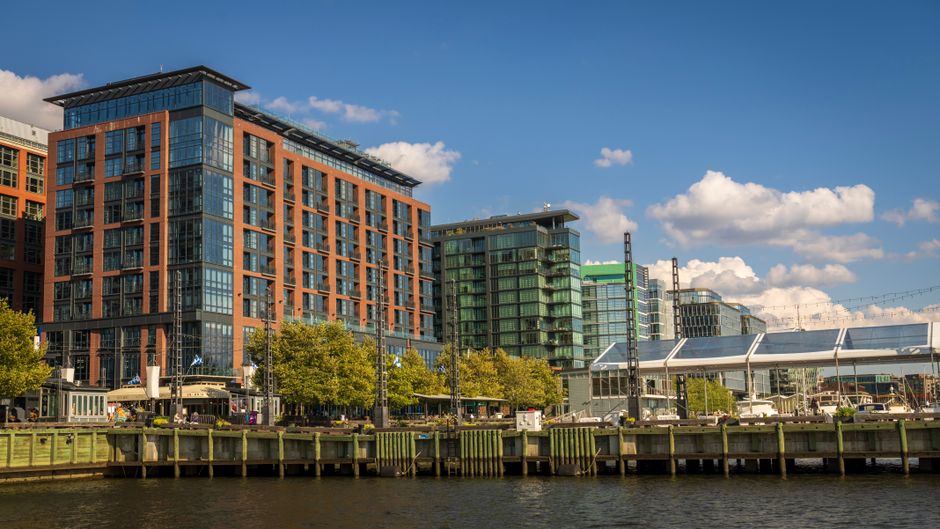
This ethos extends beyond museum walls. Georgetown's waterfront, a 40-minute walk from the White House along the Chesapeake & Ohio Canal, offers weekend kayaking, cycling and riverside picnics without the premium pricing you'd pay for equivalent activities in Venice or Amsterdam. The C&O Canal trail stretches 184 miles; most Washingtonians never leave the city limits, content with the leafy 22-mile section between Georgetown and Violette's Lock.
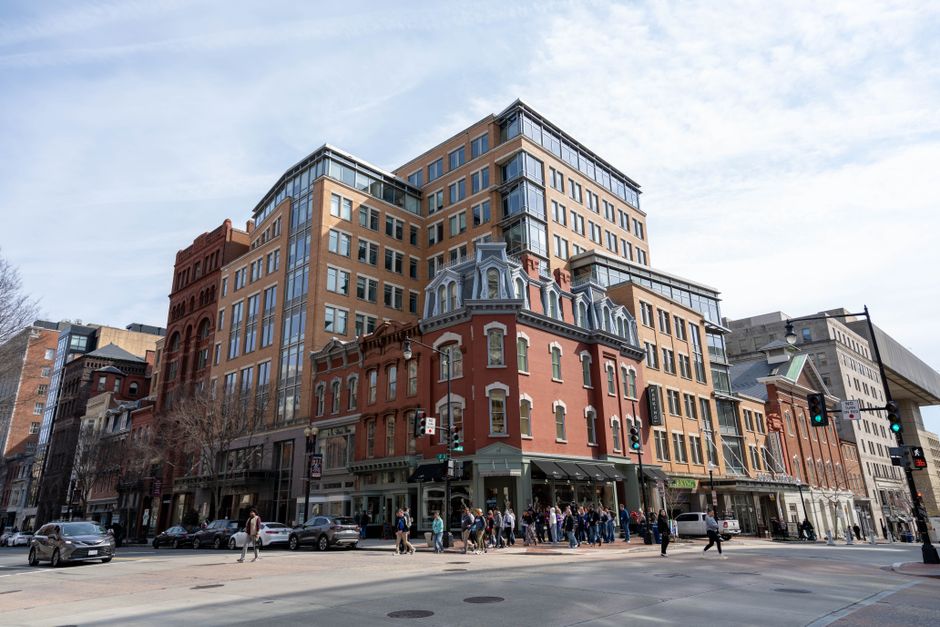
What truly distinguishes DC weekends, however, is the intertwining of leisure with civic consciousness. Walking through Capitol Hill's tree-lined streets on a Sunday morning, you're surrounded by residents debating policy at brunch spots like Bethesda's Wood's Coffee or DuPont Circle's countless cafés. The city's landscape—monuments, memorials, government buildings—makes political engagement inescapable and, for many, irresistible. This isn't Paris, where weekend life can feel divorced from institutional power. Here, proximity to influence shapes how people relax.
The neighbourhoods themselves offer distinct weekend personalities. Adams Morgan's boutique-lined 18th Street draws crowds seeking vintage finds and rooftop bars. The Atlas District (H Street NE) has become a weekend destination for younger professionals, with galleries and breweries replacing what was once a neglected corridor. U Street Corridor echoes with jazz history—the Howard Theatre, operating since 1910, still hosts weekend performances that connect contemporary leisure to the city's African American cultural legacy.
Summer weekends bring something else uniquely Washingtonian: the outdoor concert circuit. The Kennedy Center's Millennium Stage offers free performances nightly, year-round. Merriweather Post Pavilion in nearby Columbia, Maryland draws 30,000-capacity crowds for major acts. These aren't exclusive VIP experiences; they're accessible to anyone willing to plan ahead.
By mid-July, the National Cherry Blossom Festival's spring successor—the Smithsonian Folklife Festival on the Mall—will draw 750,000 visitors over two weeks. Free admission. Free performances. Free cultural immersion. In a world where Barcelona charges €30 for Sagrada Familia and London commands £35 for the Tower, Washington's approach to weekend life remains defiantly egalitarian—which, for better and worse, is exactly what the city was designed to be.
This article was compiled by AI and screened before publishing. See our editorial standards.