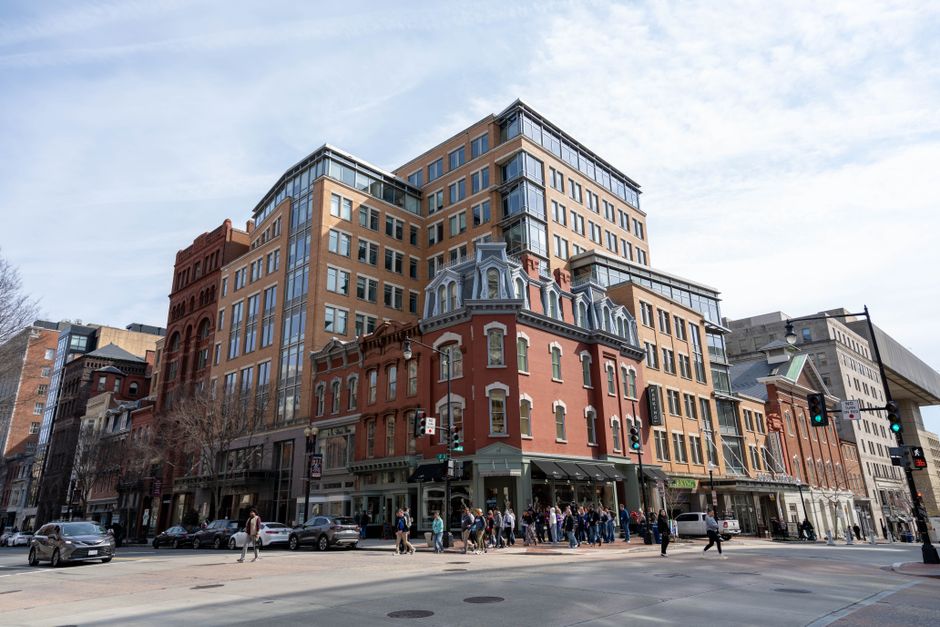
The transformation of Washington DC's retail landscape isn't happening in gleaming shopping centers—it's unfolding in the markets and independent shops that have quietly anchored neighborhoods for decades. Nowhere is this shift more apparent than along the U Street Corridor, where vintage dealers, craft vendors, and pop-up markets are undergoing a significant evolution in how they operate and what they sell.
For years, U Street between 9th and 14th Streets was primarily known for bargain hunting and volume-based retail. Today, that dynamic has fundamentally changed. The emergence of curated vintage markets and sustainability-focused vendors reflects a broader shift among DC's millennials and Gen Z residents, who now comprise over 40% of the District's population. These shoppers are increasingly seeking purpose-driven purchasing experiences rather than simply hunting for deals.
The shift became especially visible in 2024-2025 when several traditional discount retailers along U Street either closed or dramatically reinvented their floor plans. In their place, we're seeing pop-up markets focused on ethical sourcing, local artisan goods, and circular economy models. Vendors report that foot traffic patterns have changed too—Sunday morning crowds have intensified, with shoppers spending longer on individual purchases rather than rapid browsing.
Market economics tell an interesting story. Average rent for retail spaces in the U Street Corridor has climbed approximately 15% over the past two years, according to local commercial real estate data, forcing vendors to justify higher prices through product differentiation. This has naturally selected for shops offering unique, quality items over those competing purely on cost. Several established dealers have responded by developing loyalty programs and hosting themed shopping events that position them as community gathering spaces rather than mere transaction points.
The nearby Eastern Market, DC's oldest continuously operating public market, has also adapted. While maintaining its traditional Saturday and Sunday rhythms, the market has increasingly attracted vendors focused on sustainable goods, upcycled items, and locally-made products. Weekend attendance has remained steady at roughly 4,000-5,000 visitors, but the demographic composition and purchasing patterns suggest shoppers now view markets as experiences rather than errands.
What's driving this evolution? Several factors converge: younger residents gravitating toward secondhand and sustainable consumption, social media visibility of unique finds, and genuine community investment in supporting local vendors rather than chain retailers. The result is a U Street Corridor and broader DC retail market that looks fundamentally different than it did just three years ago.
For DC's lifestyle-conscious residents, this transformation offers a silver lining—shopping that aligns with values while supporting neighborhood vitality.
This article was compiled by AI and screened before publishing. See our editorial standards.