Washington DC's bar scene has quietly evolved beyond the transactional—a place where you grab a drink and leave. Instead, the city's most vibrant neighbourhoods are cultivating spaces where regulars become friends, bartenders know your name, and the venue itself becomes an extension of community identity.
Take H Street NE, where the corridor has transformed into a laboratory of neighbourhood vibrancy. Between 8th and 15th Streets, venues operate less as isolated establishments and more as anchor points for foot traffic and social connection. The density of bars, restaurants, and live music venues creates a self-reinforcing ecosystem: one neighbourhood bar draws people who then explore adjacent spots, creating nights that unfold organically across blocks rather than confining patrons to single locations. This clustering effect—common in globally dynamic cities like Barcelona and Berlin—is now reshaping how Washingtonians experience nightlife.
Meanwhile, U Street Corridor continues to honour its historical significance as a centre for African American culture and jazz heritage. Contemporary venues here operate within that legacy, hosting live performances that draw diverse crowds and creating spaces where music remains central to the social experience rather than background ambience. The neighbourhood's character isn't manufactured; it's accumulated through decades of cultural contribution and ongoing community investment.
The economics tell their own story. DC bar and nightclub employment reached approximately 8,400 positions in 2025, according to labour data, reflecting sustained demand for neighbourhood gathering spaces. Average cocktail prices across mid-range venues range from $14-18, positioning DC between major coastal cities, while cover charges for live music venues typically run $10-15—accessible enough to encourage regular attendance but substantial enough to support quality programming.
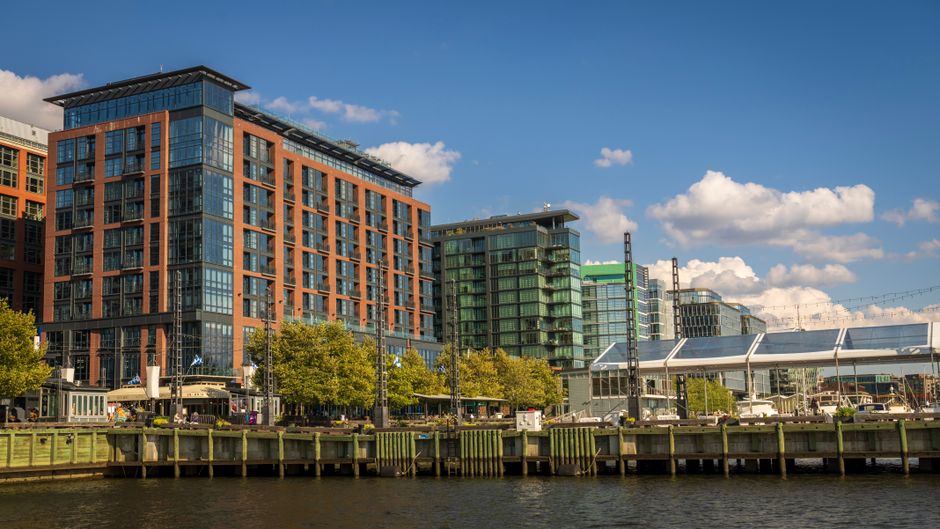
What distinguishes these neighbourhood scenes is their resistance to homogenization. Capitol Hill's bar culture maintains distinctly different energy from the polished venues emerging in Navy Yard-Ballpark, which differ again from the craft cocktail focus dominating Logan Circle. Each neighbourhood's bars reflect local demographics, commercial real estate economics, and accumulated social history.
The most successful venues understand they're not just serving alcohol—they're providing infrastructure for community formation. Regulars return not solely for the product but for belonging. In a city where transience remains high and professional networks often feel transactional, these neighbourhood bars function as counterweight: spaces where proximity, consistency, and genuine social interaction still matter.
That's the real story in DC's nightlife evolution: not what's new or trendy, but how bars are becoming what they historically were—the living rooms of their neighbourhoods.
This article was compiled by AI and screened before publishing. See our editorial standards.