The Real Way Washingtonians Get Around: Tips and Honest Advice From People Who Live It Daily
We asked locals across every neighborhood how they actually navigate the city—and what they wish they'd known sooner.
We asked locals across every neighborhood how they actually navigate the city—and what they wish they'd known sooner.
Listen to this article · 3:34
Getting around Washington DC is a daily puzzle that changes depending on where you work, where you sleep, and which administration is currently blocking Constitution Avenue. We talked to residents across neighborhoods from Capitol Hill to Bethesda to understand how they've cracked their commute.
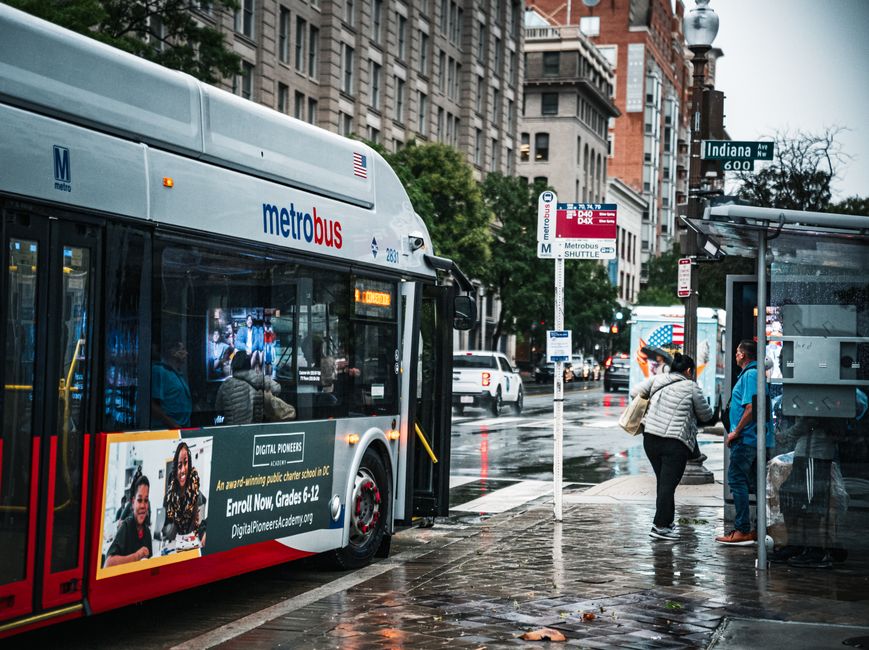
The Metro remains the backbone for most, but longtime riders offer a reality check. The Red Line is notoriously unpredictable during rush hour—expect 15-minute delays as routine, especially near Metro Center. Workers commuting from neighborhoods like Petworth or Columbia Heights into downtown offices often leave 45 minutes earlier than the posted schedule suggests. A monthly SmartTrip pass costs $99 for unlimited trips, making it far cheaper than parking downtown, which regularly hits $20-30 daily or $300+ monthly in garages near K Street.
Bike commuting has shifted from fringe to mainstream, particularly for the 3-5 mile routes common in DC. The city's Capital Bikeshare system (membership $119 annually) connects neighborhoods effectively, though locals emphasize the critical importance of a reliable lock and lights. Georgetown residents who bike to the Dupont Circle or downtown corridors consistently report 25-minute commutes, versus 45 minutes by car.
For those in outer neighborhoods—Chevy Chase, Silver Spring, Woodley Park—many have abandoned single-occupancy vehicles entirely. Ride-sharing during peak hours (7-9am, 5-7pm) on main arteries like Wisconsin Avenue or Connecticut Avenue can cost $15-25 and take longer than the commute itself. Carpooling networks through employers or neighborhood Facebook groups provide alternatives, though they require scheduling flexibility.
Car ownership in DC remains practical only if you secure residential parking permits (neighborhood-dependent, typically $100-200 annually) and avoid driving during rush hours. Most experienced drivers treat the morning commute window before 7am and evening window after 7pm as the realistic windows for car travel. The Beltway crawls constantly; Georgia Avenue and Wisconsin Avenue during peak hours are similarly congested.
The emerging consensus among long-term DC residents is this: combine methods. Bike or Metro for regular commutes under four miles, ride-share or carpools for irregular trips, and reserve car use for non-peak hours or weekend errands. The residents who've eliminated commute stress aren't those choosing a single perfect option—they're the ones who've built flexibility into their routine, checking real-time Metro delays before leaving home and keeping bike maintenance kits in their offices.
This article was compiled by AI and screened before publishing. See our editorial standards.
How does this story make you feel?
Spread the word
About this article
Published by The Daily Washington DC
Daily brief
Free, in your inbox before 7am. Weekdays.
More in lifestyle