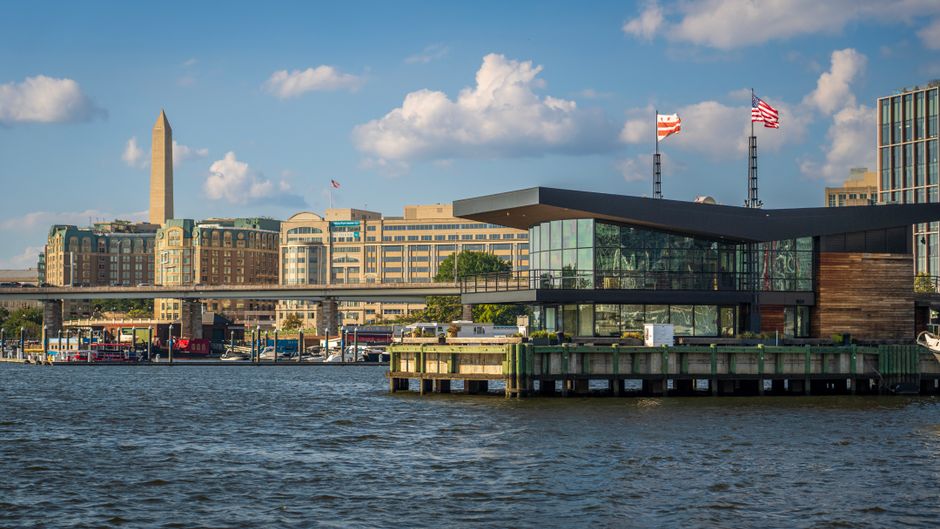
Washington DC's neighbourhoods function less like separate enclaves and more like interconnected villages, each with distinct rhythms and offerings. For residents looking to move beyond their immediate surroundings, understanding these micro-communities is essential to unlocking the city's lifestyle potential.
Start with infrastructure as your foundation. The Metro remains your fastest access point—a Red Line trip from Woodley Park to Gallery Place takes twelve minutes and costs $2.25. But increasingly, residents are discovering that walkable discovery yields richer rewards. The neighbourhoods within a twenty-minute walk of your home typically offer better value than destination venues further afield. Georgetown's M Street corridor, while touristy, connects seamlessly to quieter side streets where locals actually shop and eat. The real gems hide on Wisconsin Avenue's upper reaches and along the C&O Canal towpath.
Each neighbourhood maintains distinct community organisations worth joining. Capitol Hill's Hill Center (411 East Capitol Street SE) hosts everything from yoga classes to neighbourhood assemblies. In Dupont Circle, the historic Phillips Collection (1600 21st Street NW) offers free hours on Thursday evenings, drawing locals into serious cultural engagement. Mount Pleasant's vibrant Latino community anchors itself around Lamont Street, where Spanish-language bookstores, pupuserías, and community bulletins create authentic cultural texture.
Practical neighbourhood economics matter. A coffee at Compass Coffee in Navy Yard runs $4.50; the same at a Logan Circle independent café might be $5.50. Grocery costs vary dramatically—Whole Foods on P Street (premium-priced) versus the H Street Corridor's increasingly competitive markets (more competitive). Rent typically ranges from $1,800 for a one-bedroom in outer Petworth to $3,200 in prime Dupont locations, per 2026 market data.
Success requires intentional habit-building. Pick one neighbourhood monthly to explore systematically. Walk every street. Visit at different times. Chat with baristas and shopkeepers—they're your real guides. Notice which coffee shops have regulars, which parks host informal community events, which bookstores sponsor readings.
The city's 68 recognised neighbourhoods mean most residents never scratch beneath surface-level familiarity. The neighbourhoods that genuinely reward exploration share common traits: accessible transit, mixed-use commercial corridors, and active community organisations. U Street Corridor, rapidly transforming yet retaining cultural memory, exemplifies this balance.
DC citizenship deepens through neighbourhood engagement, not through checking tourist landmarks. Your authentic city life emerges from becoming a regular somewhere, understanding local politics, and discovering the specific character that distinguishes your neighbourhood from every other corner of this capital city.
This article was compiled by AI and screened before publishing. See our editorial standards.