Remote Work and Rising Rents Reshape Capitol Hill School Enrollment Patterns
As families reassess their DC neighborhoods, traditional school patterns are shifting and new educational models are gaining traction along the Hill.
As families reassess their DC neighborhoods, traditional school patterns are shifting and new educational models are gaining traction along the Hill.
Listen to this article · 3:35
Five years ago, Capitol Hill's family demographic looked predictable: professionals with school-age children clustered around the neighborhood's established institutions like Miner Elementary and Hardy Middle School, their decisions largely shaped by proximity and catchment zones. Today, that calculus has fundamentally changed.
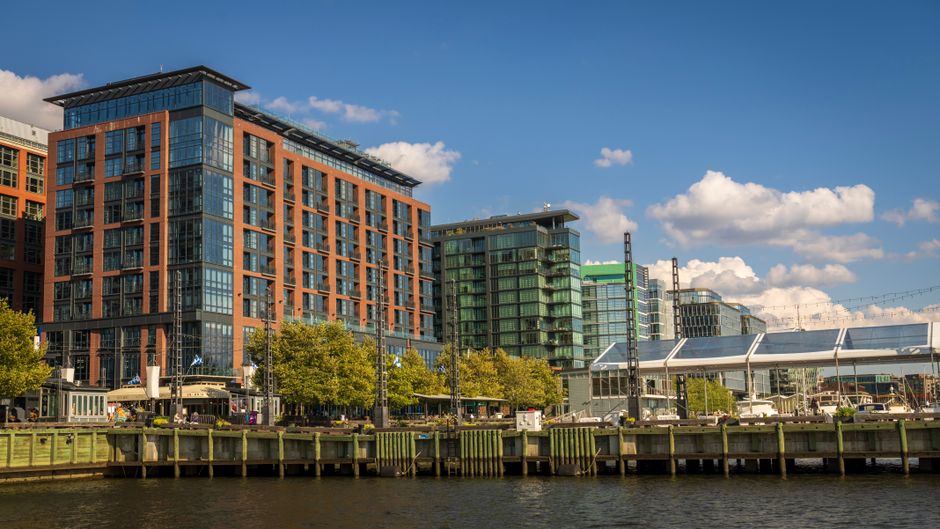
The shift began quietly during the pandemic but has accelerated dramatically since 2024. Hybrid work arrangements have untethered families from the need to live near their offices, while median rents on Capitol Hill have climbed to $2,400 for a two-bedroom apartment—making the neighborhood increasingly attractive to childless young professionals and retirees. Meanwhile, parents seeking larger homes and yards have increasingly relocated to emerging family hubs in Navy Yard-Ballpark and even further east toward Deanwood.
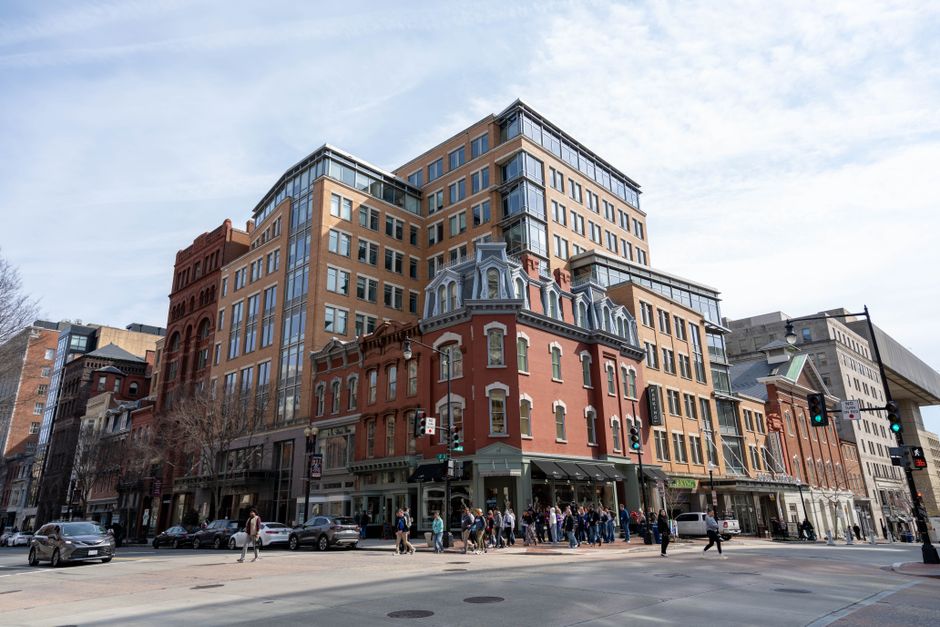
What's replacing the traditional neighborhood school system is a more fluid, choice-driven ecosystem. Independent and charter schools along Pennsylvania Avenue SE, like the Latin School and Lowell have seen application surges as parents opt for classical curricula over traditional public programs. Simultaneously, microschools and learning pods—small, specialized programs operating from renovated townhouses—have proliferated from the 600 to 800 blocks of East Capitol Street, catering to parents seeking alternative pedagogies.
The DC Public Schools system has taken notice. Miner Elementary, long the Hill's flagship, has implemented new programs aimed at attracting families back, including Mandarin language immersion and expanded before-and-after-care services. Yet enrollment data tells a complicated story: while some programs thrive, overall attendance in Capitol Hill's public schools has declined roughly 15 percent since 2022.
Beyond academics, the infrastructure of family life is transforming too. The neighborhood's playground culture—historically anchored around Lincoln Park and Stanton Park—is being supplemented by membership-based facilities like the newly opened Kingman Park recreation center, which offers structured programming that appeals to busier, more mobile families. Parents increasingly view these spaces as extensions of school rather than neighborhood gathering points.
Long-time residents speak of a loss of the organic community that once defined the Hill. Yet others see opportunity in diversity. As family configurations diversify—multigenerational homes, single-parent households, grandparent guardianships—the rigidity of traditional neighborhood schools no longer serves everyone equally anyway.
The question now is whether Capitol Hill's schools can reinvent themselves quickly enough to remain relevant to the families who choose to stay.
This article was compiled by AI and screened before publishing. See our editorial standards.
How does this story make you feel?
Spread the word
About this article
Published by The Daily Washington DC
Daily brief
Free, in your inbox before 7am. Weekdays.
More in lifestyle