As clearance rates soften and inventory shifts, the market is sending mixed signals about where entry-level opportunities actually lie—and what grants and financing strategies matter most.
As developers race to complete hundreds of units, landlords and tenants face a tale of two markets: relief in emerging neighborhoods, pressure everywhere else.
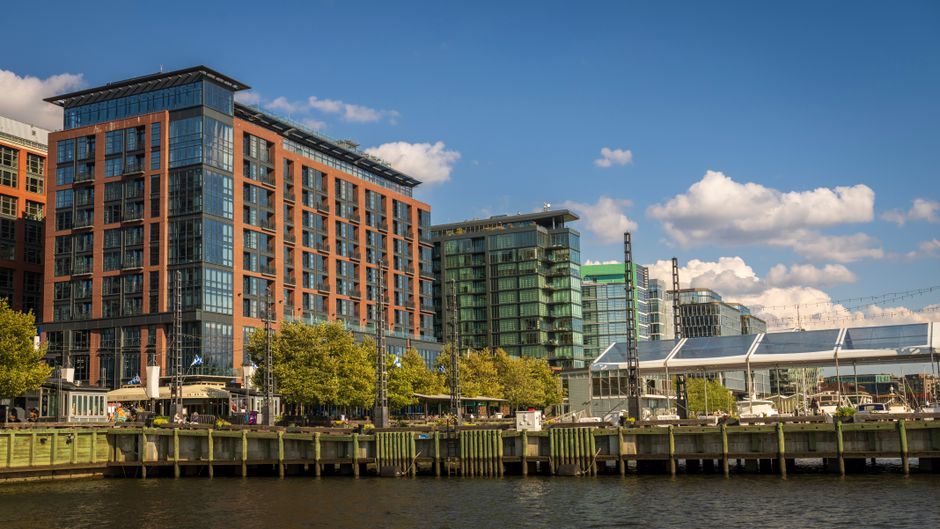
From the waterfront to Capitol Hill, a wave of high-end residential and mixed-use towers is redefining where DC's wealthiest choose to live—and transforming entire neighbourhoods in the process.
As vacancy rates tighten and rents plateau, Washington's rental landscape is forcing uncomfortable conversations between property owners and residents.
As the median home price hits $700,000, a perfect storm of limited inventory, rising rates, and shifting neighbourhoods is reshaping the market for newcomers.
Vacancy rates drop below 5% in DC neighborhoods while rents plateau near $2,100. Here's how tight market conditions are reshaping both tenants and landlords.
As vacancy rates compress and rents stabilize after years of volatility, Washington's rental market is entering a new phase—one that demands fresh negotiating strategies from both sides.
A wave of residential and commercial approvals across H Street, Navy Yard, and emerging corridors is accelerating displacement concerns while promising long-overdue infrastructure upgrades.
With the median home price holding steady around $700,000, strategic neighbourhood selection is the difference between smart equity-building and overpaying for location.
As the median home price hovers near $700,000, property investors are discovering that Washington's booming real estate market may not deliver the returns they expected.
With median prices hovering near $700k and rents climbing across neighborhoods, the math on rental returns reveals winners, losers, and where smart money is really landing.
As developers race to build along the Anacostia and in emerging corridors, residents face a familiar question: will new supply finally ease prices, or deepen the divide between haves and have-nots?